Battery Export Documents: UN38.3 and MSDS
UN38.3 and MSDS documents for a lithium golf cart battery: what each covers, when forwarders ask for them and the checks before the container is sealed.
Quick answer
For a 51.2 V 105 Ah LiFePO4 pack, prepare 2 battery documents: the UN38.3 test summary and the MSDS. They cover the pack, not the whole vehicle; file them with the invoice, packing list and bill of lading before the container is sealed.
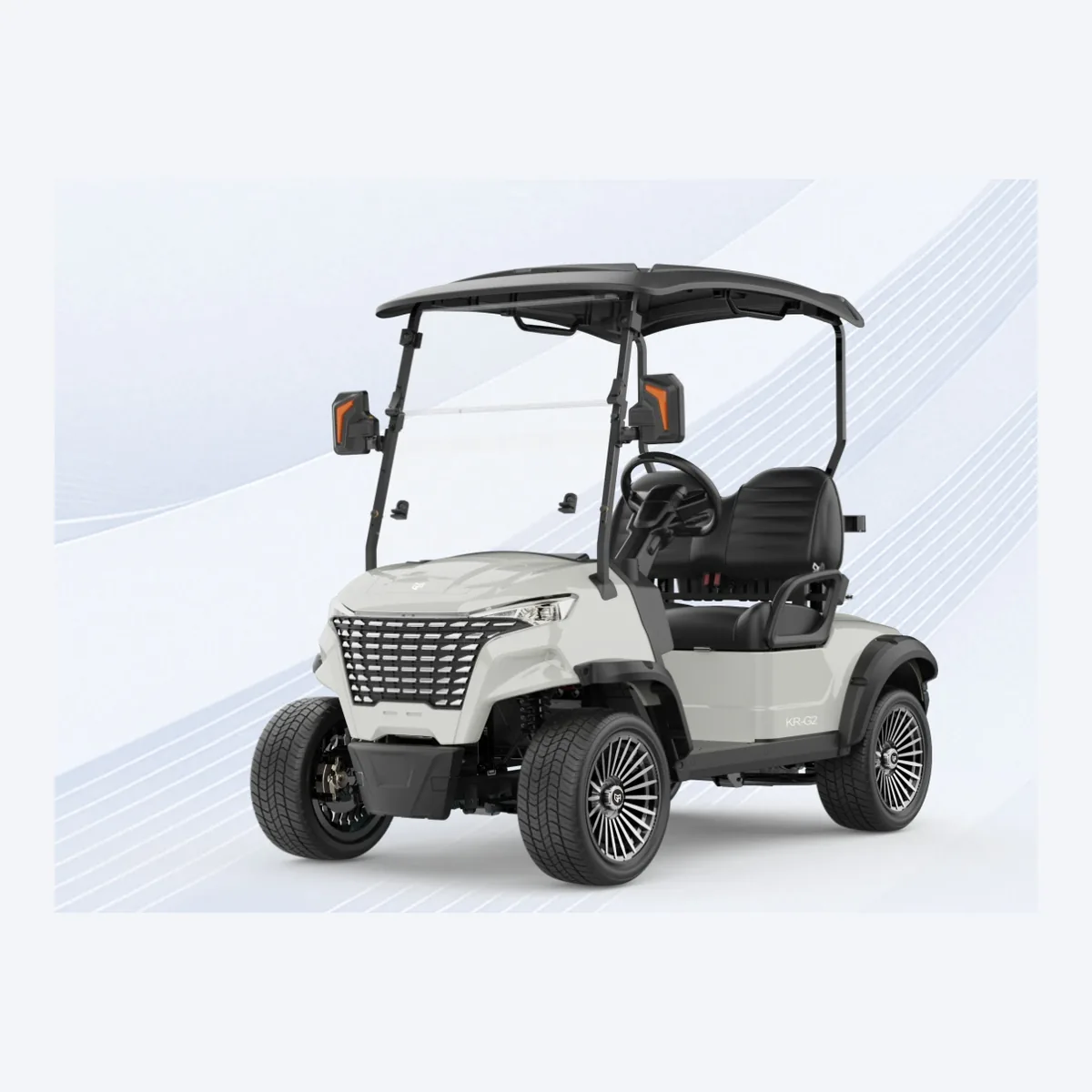
A golf cart is a vehicle. A lithium battery inside it is also a regulated article for transport. The shipment therefore needs two stories documented: what the vehicle is, and what the battery is. Missing battery paperwork is one of the most common reasons a booked container misses its vessel.
This guide explains the documents supplied with the lithium pack, what each one covers, and the checks to complete before the container is sealed.
Which battery documents travel with a golf cart order?
For the Ridge and Coast models, the 51.2V 105Ah LiFePO4 pack is supplied with UN38.3 and MSDS documentation. Those two documents are the core of the battery file. A complete shipment file normally also includes:
- the battery datasheet, stating chemistry, nominal voltage, capacity and operating limits;
- the charger specification, including input voltage and output current;
- the packing list, identifying the vehicle, the battery and any loose items;
- the commercial invoice, matching the order and the Incoterm;
- the carrier’s booking confirmation and any declaration it requires.
The lead-acid pack in the GC-B travels under its own safety data sheet and carrier rules. Confirm the exact document set for a lead-acid order with the export desk, because it is not the same file as a lithium shipment.
Treat this as one shipment file rather than a set of loose attachments. Keep a folder per order, name each file with the pack model and the revision date, and send the forwarder the same version that travels with the container.
What does the UN38.3 test summary cover?
UN38.3 refers to section 38.3 of the UN Manual of Tests and Criteria. It sets out a sequence of transport tests for lithium cells and batteries, including altitude simulation, thermal cycling, vibration, shock, external short circuit, impact or crush, overcharge and forced discharge. A test summary reports that the pack has been evaluated against that sequence.
Two limits matter to a buyer. First, the summary covers the battery pack as tested, not every variant or every future replacement cell. Second, it is not a vehicle approval, a charger approval or a statement that the cart may be registered for road use. Those are separate questions, and in most markets they are answered by different authorities.
Ask for the summary as a PDF with the pack model and the test laboratory identified. A one-line statement that “the battery is UN38.3 certified” is not a substitute.
What does the MSDS tell a forwarder?
The material safety data sheet describes what the pack contains and how it should be handled. A useful MSDS identifies the cell chemistry, the hazards, the transport classification, the recommended handling and storage conditions, the firefighting response and an emergency contact.
The forwarder uses it to decide whether the booking can be accepted, how the cargo should be declared and what labels or packing instructions apply. The MSDS does not prove that the pack passed the transport tests; that is the role of the UN38.3 summary. The two documents answer different questions and are usually requested together.
Check that the MSDS matches the pack in the order. A generic sheet for a different capacity or chemistry is a documentation defect, even if the shipment is otherwise correct.
How is a cart battery packed and declared?
Vehicles are shipped in export packing with the battery isolated and the body protected. That is the physical starting point. The declaration then depends on the carrier and the route: a battery installed in the vehicle and a battery packed separately are treated differently, and the carrier’s rules on state of charge, terminal protection and labelling apply.
Do not assume that “installed in the vehicle” removes the need for battery documents. It usually changes the declaration, not the obligation to declare. Give the forwarder the pack model, the quantity, the chemistry and the UN38.3 and MSDS documents at the booking stage, and ask for the carrier’s written requirements rather than relying on a verbal answer.
Which documents does the forwarder need before booking?
Send the forwarder the MSDS, the UN38.3 summary, the packing list and the commercial invoice, and state the Incoterm and the destination port. If the route involves transhipment, ask whether any additional documentation is required at the intermediate port.
Sea freight is the usual route for a golf cart fleet. Air movement of large cart packs is restricted and depends on carrier acceptance, so confirm before quoting a delivery date that assumes air freight. If the forwarder cannot confirm acceptance in writing, settle the route before the production date is fixed. For either mode, the booking should name the battery as a separate line item so that the declaration is not buried inside a vehicle description.
What should the buyer check before the container is sealed?
Run a final document check against the physical shipment:
| Check | What to confirm |
|---|---|
| Pack identity | Model, voltage and capacity on the documents match the pack in the cart |
| Document revisions | UN38.3 and MSDS are current and legible, not superseded drafts |
| Quantities | Battery count, cart count and spare packs match the packing list |
| Isolation | Battery isolated, terminals protected and body packing intact |
| Labels | Transport labels and markings applied as the carrier requires |
| File copy | Electronic copies received and stored with the order file |
Photograph the battery compartment and the labels before the container is sealed. If a forwarder or customs broker asks a question later, those images and the PDF file answer it faster than a search through email.
Transport documents are not import approvals. Customs clearance, vehicle registration and road-use homologation are market-specific, and the technical file needed for them is separate from the UN38.3 and MSDS set. Ask the broker for the destination requirement list before the order is placed, then keep the whole file — battery, vehicle and charger — in one place.
The questions that decide the order.
Is UN38.3 the same as an MSDS?
No. UN38.3 is a test summary for the battery, covering the transport tests defined in the UN Manual of Tests and Criteria. The MSDS is a material safety data sheet describing the chemistry, hazards, handling and emergency response. Forwarders usually ask for both.
Does UN38.3 certify the whole golf cart?
No. It covers the battery pack, not the vehicle, charger or installation. The cart's road-use approval is a separate market-specific question. Keep the battery documents with the vehicle file, but do not present them as a vehicle certification.
Can the documents be issued after the container has shipped?
They should be issued before booking. Reconstructing a test summary or an MSDS after departure is slow and sometimes impossible, and a forwarder may refuse the booking without them. Ask for electronic copies at order confirmation.
Are battery documents enough for import clearance?
Transport documents are not the same as import compliance. Customs and vehicle registration may ask for additional technical or homologation documents, and the requirements differ by market. Confirm the destination list with your broker before shipment.