Golf Cart Batteries — LiFePO4 vs Lead-Acid, 48 V to 72 V
Golf cart batteries are either lead-acid or LiFePO4. Lead-acid costs less up front and suits overnight charging; LiFePO4 charges faster, weighs less and tolerates partial charging. This guide covers 48 V, 60 V and 72 V systems, capacity, charging time and the documents needed for export.
Updated 2026-11-03 · Export Desk
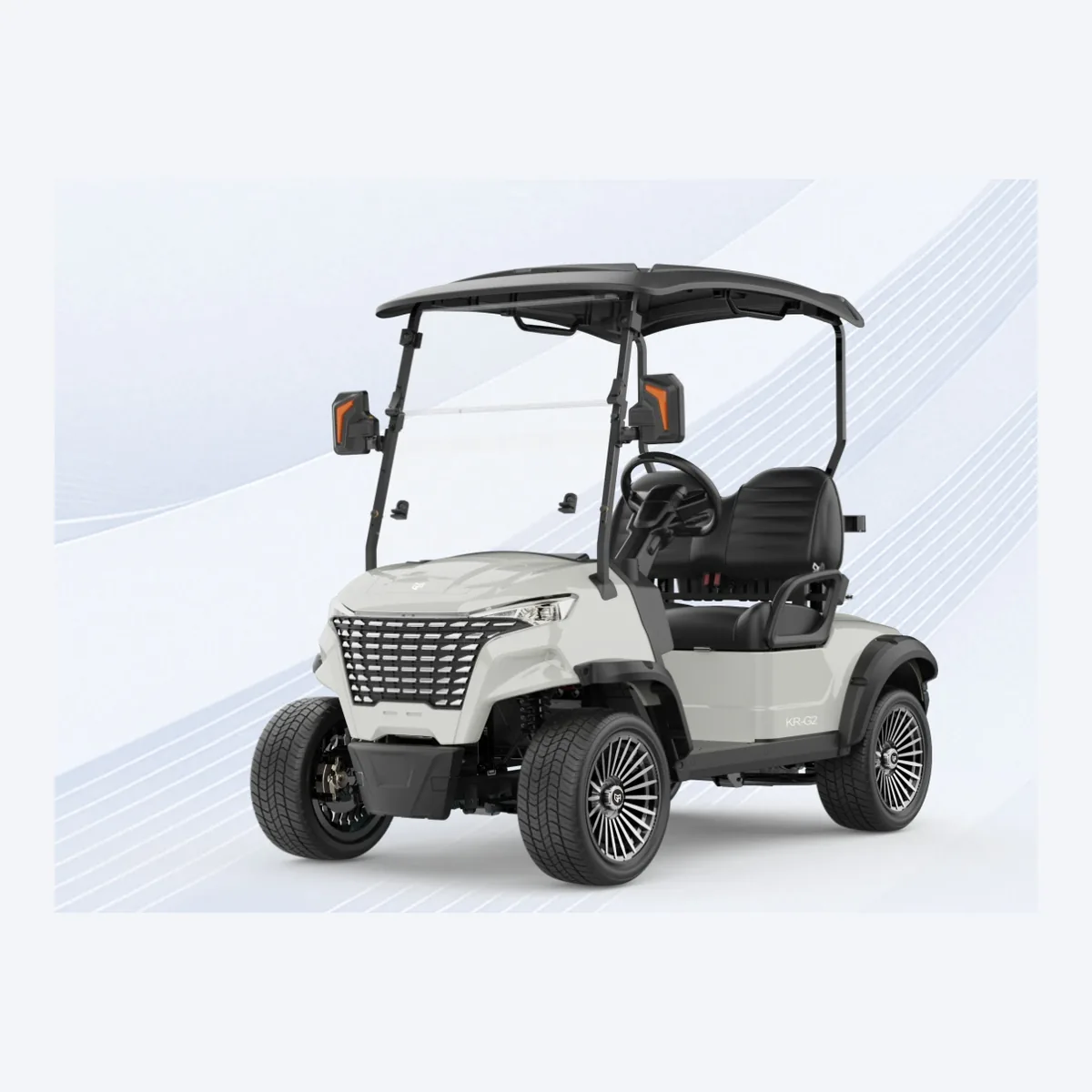
- 48–72 V
- System voltage
- LiFePO4
- Lithium option
- ≤5 h
- Lithium charge
- UN38.3
- Battery document
Lead-acid or LiFePO4?
Lead-acid is the lower-cost chemistry. It is heavy, familiar to technicians and works well with overnight charging on fixed short routes. It prefers being kept fully charged and needs periodic terminal and water checks where serviceable.
LiFePO4 is lighter for the same usable energy, charges faster and tolerates partial charging. The BMS protects against over-charge, over-discharge, short circuit and, in good designs, low-temperature charging. It suits multi-shift sites and opportunity charging.
What voltage does a golf cart use?
This catalogue uses 48 V, 60 V and 72 V systems. The Ridge and Coast lithium models use a 51.2 V 105 Ah LiFePO4 pack with a 48 V / 25 A onboard charger. The Classic models offer 60 V lead-acid or lithium packs, with charging times of about 6–10 hours depending on the charger.
Higher voltage generally supports more power and speed, but the controller, motor and charger must be matched. Do not change voltage without confirming the whole electrical system.
How does capacity affect range?
Capacity is measured in ampere-hours (Ah) at a given voltage. A 51.2 V 105 Ah LiFePO4 pack in the Ridge and Coast models is rated for 30–35 miles (48–56 km) on flat ground. The GC-A with a larger battery is rated at 80–100 km; the GC-B lead-acid at about 60 km.
Real range falls with load, gradient, temperature and stop-start duty. If the daily route is close to the rated range, plan an opportunity charge or a larger pack.
What charging and documents are required?
Use the charger supplied or approved for the pack. A lead-acid charger must not be used on a lithium pack. Charging time depends on the charger: the 48 V / 25 A onboard unit brings the 105 Ah pack back in five hours or less; smaller portable chargers take longer.
For export, the battery pack is supplied with a UN38.3 test summary and an MSDS. The packing list and shipping documents identify the battery type and packing method.
What should you do next?
Send the site brief for golf cart batteries: terrain, daily distance, passenger count, destination port and quantity. We will reply with a configuration sheet and quotation.
Request a quoteThe differences, in one table.
| Chemistry | Typical voltage | Charge time | Weight | Best for |
|---|---|---|---|---|
| Lead-acid | 48 / 60 / 72 V | 6–10 h | Heavier | Fixed short routes |
| LiFePO4 | 48 / 51.2 V | ≤5 h | Lighter | Multi-shift, opportunity charging |
Start with these models.
KR-G2 Ridge 2-Seat Lithium Golf Cart
Lithium two-seater with a 30–35 mile working range
- Range
- 30–35 mi
- Battery
- 51.2 V 105 Ah LiFePO4
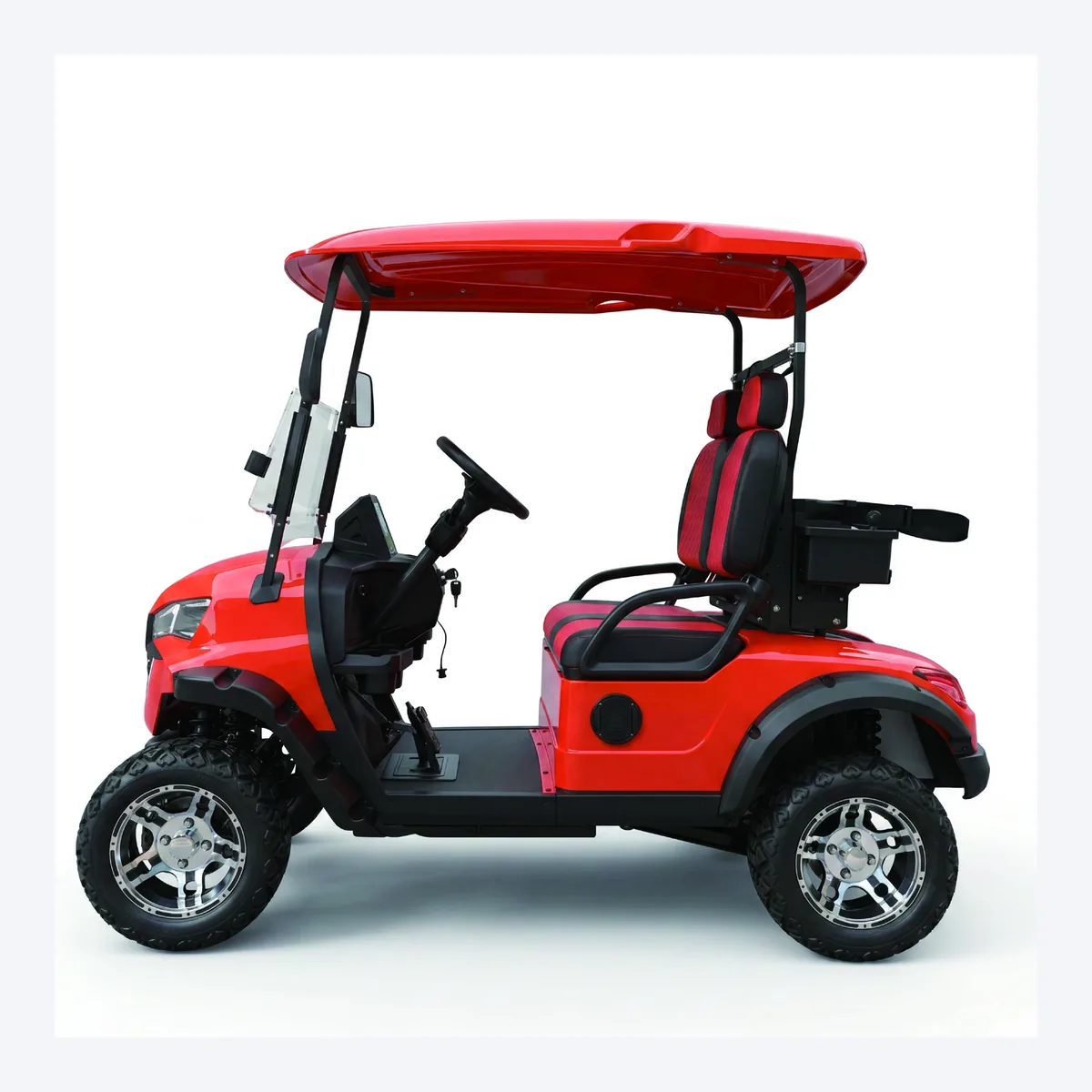
GC-A Classic 2-Seat Golf Cart
Long-range classic with lead-acid or lithium power
- Range
- 80–100 km
- Motor
- 4 / 5 / 7.5 kW
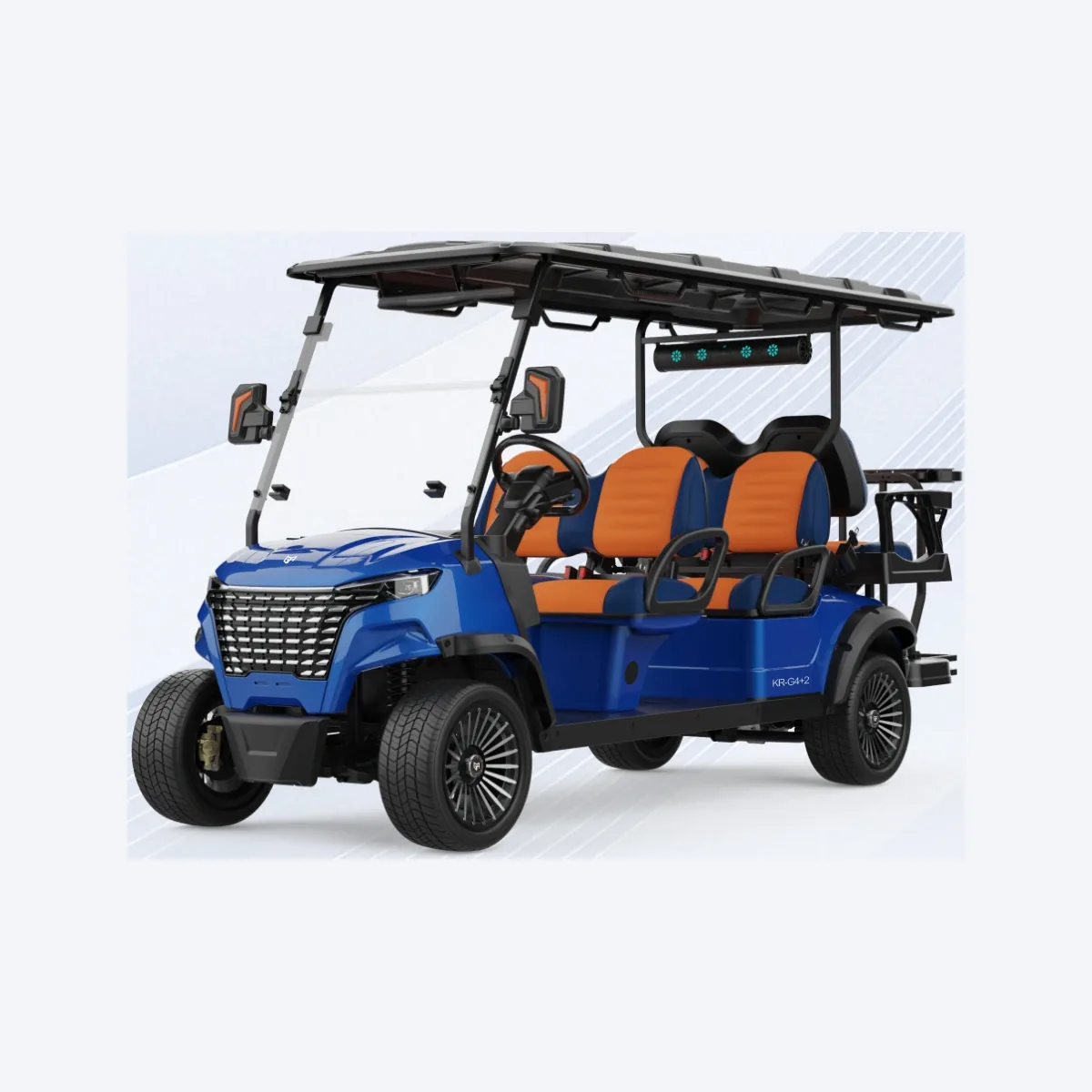
KR-G4+2 Ridge 6-Seat Lithium Golf Cart
Six seats on a 3.67 m lithium platform
- Range
- 30–35 mi
- Battery
- 51.2 V 105 Ah LiFePO4
The questions that decide the order.
How long does a golf cart battery last?
Cycle life depends on depth of discharge, temperature and charging habits. LiFePO4 generally offers a longer cycle life than lead-acid. Ask for the battery datasheet with the rated test conditions for the specific pack.
Can I replace lead-acid with lithium?
It is a system change: the charger, BMS, mounting and low-voltage cut-off must match. Use a vehicle designed for lithium where possible rather than retrofitting an old charger.
What documents come with the battery?
UN38.3 test summary and MSDS. The packing list and shipping documents identify the battery type and packing method.
What is the charging time?
The 48 V / 25 A onboard charger brings the 105 Ah LiFePO4 pack back in five hours or less. Lead-acid models typically take 6–10 hours depending on the pack and charger.
Can I charge from a standard outlet?
Most carts use a single-phase onboard charger. Confirm the outlet capacity and the number of carts charging at once; several carts may need a dedicated circuit.
Do you sell batteries separately?
Replacement packs can be supplied by order for the models we sell. This is not an aftermarket battery shop; confirm the pack, charger and compatibility before ordering.
What is the price?
Battery price depends on chemistry, voltage, capacity and quantity. It is quoted with the vehicle or as a separate replacement pack.
How should batteries be stored?
Store in a dry, ventilated place at the state of charge recommended for the chemistry. Disconnect the pack and check it every few weeks. Follow the manufacturer’s storage procedure.
Tell us the terrain, the seats and the port.
A useful quotation needs three things: where the golf cart will run, how many people it carries, and where it ships. Send those and we will come back with a configuration sheet.
Request a quote
Tell us the model, seating and destination. We will reply with a configuration sheet and quotation.