Golf Carts
2–8 seats, lead-acid or LiFePO4
Passenger carts for courses, resorts and estates: three families, thirteen production models, one service architecture.
60 V / 51.2 V · 2.37–3.78 m · 390–550 kg
Updated 2026-11-03 · Export Desk
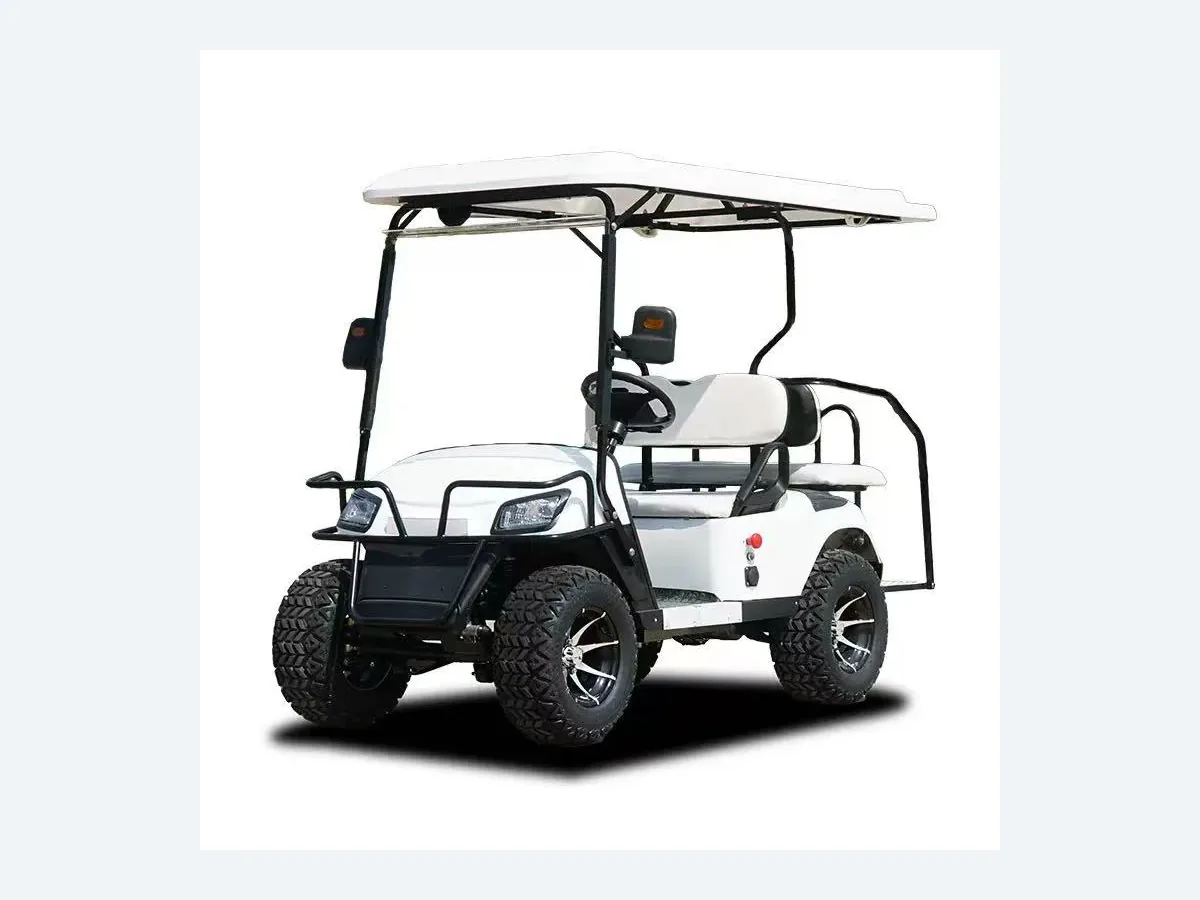
A golf cart is a small electric vehicle with a low floor, a bench seat and a canopy. The format has not changed much in forty years; what has changed is the energy system, the electronics and the expectations of the site operating it. A modern fleet is asked to cover a full 18-hole loop, carry four to six guests, climb kerbs and gravel, and report its battery state without a technician opening the seat.
This catalogue is built around three families. Classic models use a conventional steel-and-fibreglass body with lead-acid or LiFePO4 packs and a simple service layout. Ridge models use a 48 V IP67 lithium drivetrain with sealed connectors and a shared controller family. Coast models use the same lithium drive in a more compact body, with high-clearance variants for gravel and unpaved paths.
The comparison table below lists all thirteen production models. Eight have full specification pages; the remaining five are variants of the same platform and can be quoted on request. Seat count, battery chemistry, motor rating and clearance are the four decisions that shape the rest of the configuration. Eight-seat variants are quoted on request; confirm path width, bridge limits and local registration before specifying one.
The trade-offs that define this category.
2 to 8 seats
Two-seat marshals, four-seat guest cars, six-seat shuttles and eight-seat utility layouts.
Two chemistries
Lead-acid for lowest capital cost; LiFePO4 for faster charging and longer life.
IP67 drivetrain
Sealed motor and controller on the Ridge and Coast lithium platforms.
Shared service parts
One controller family, one charger specification and one set of procedures.
Category
Configured for a specific duty cycle. Compare the models below, then send a site brief.
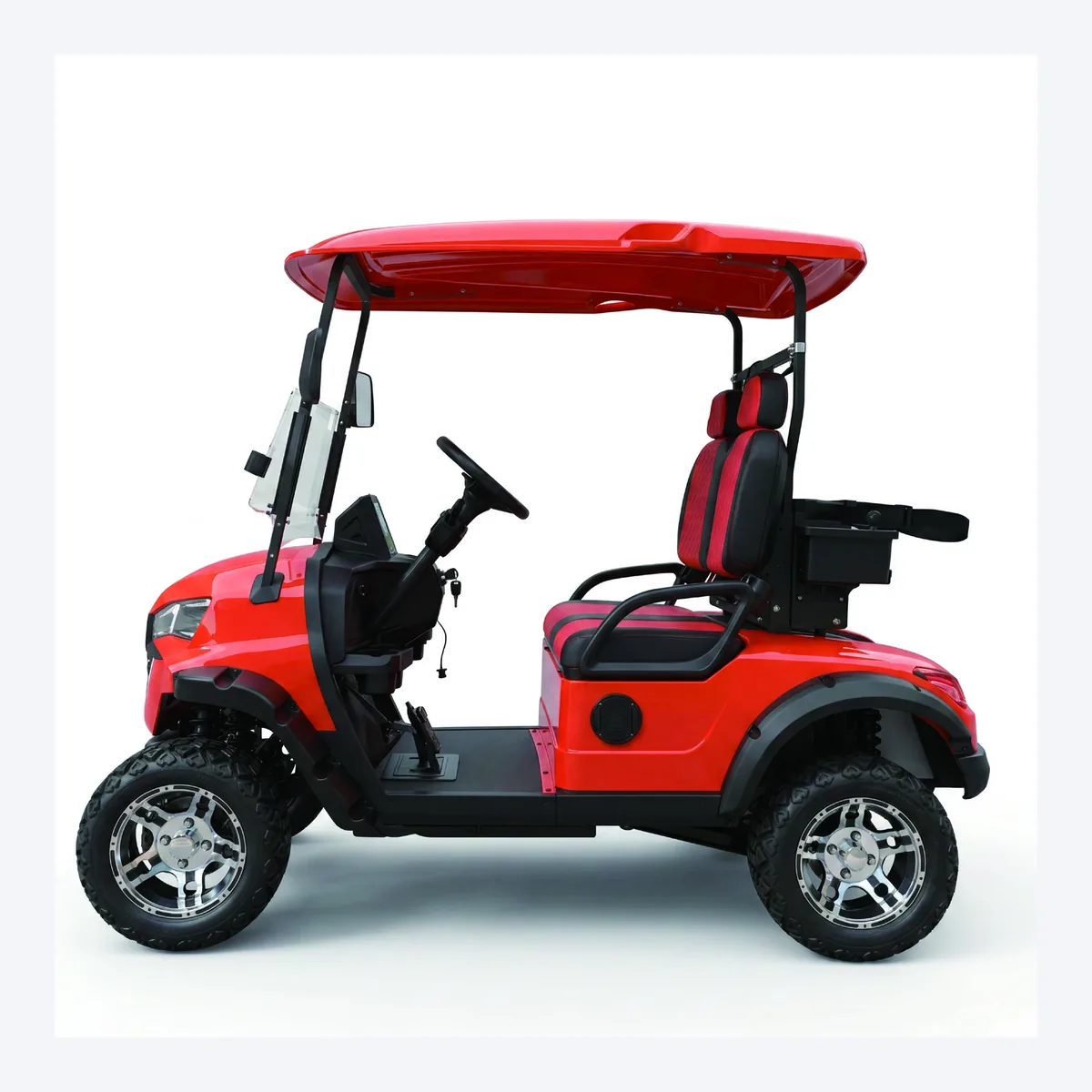
GC-A Classic 2-Seat Golf Cart
Long-range classic with lead-acid or lithium power
- Range
- 80–100 km
- Motor
- 4 / 5 / 7.5 kW
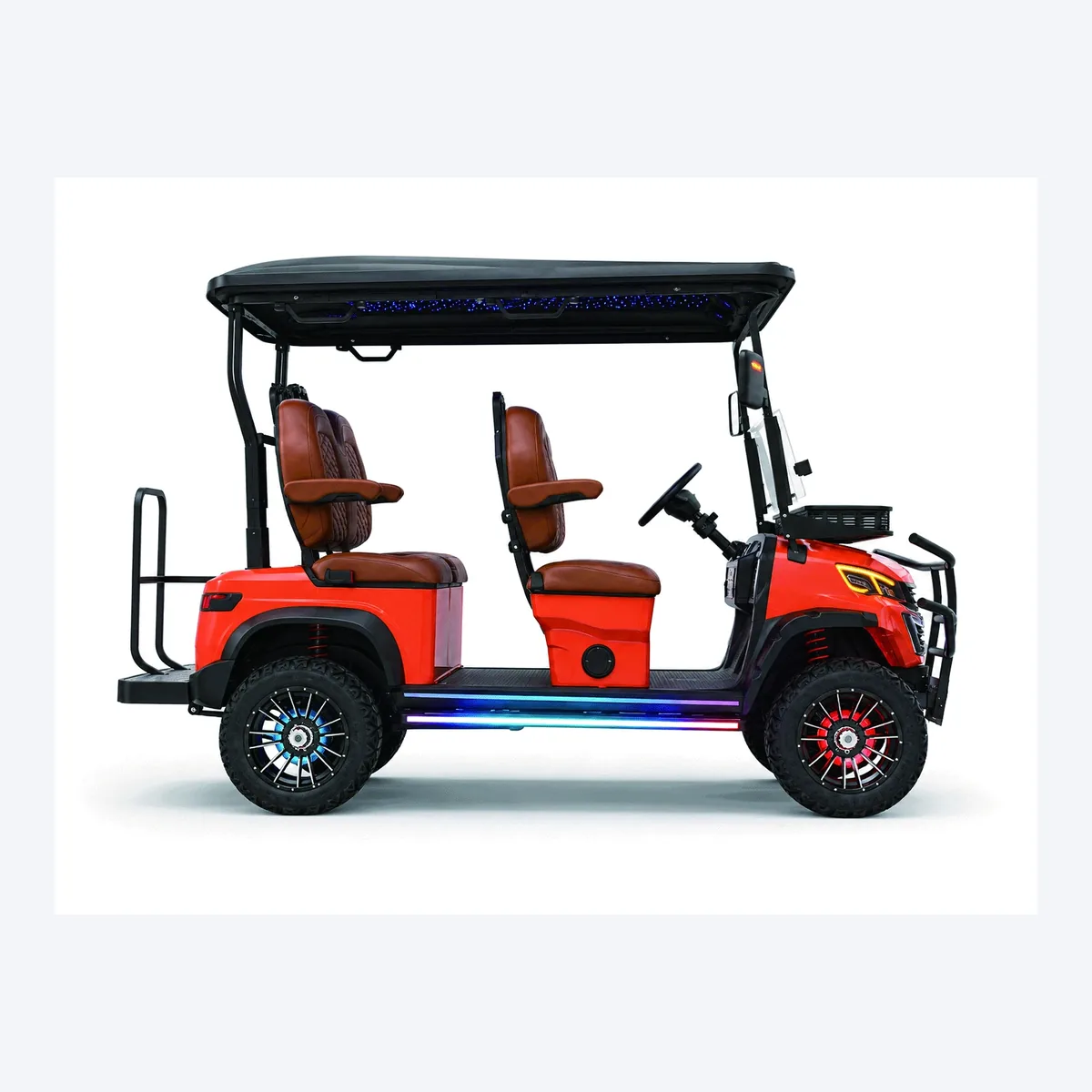
GC-B Classic 4-Seat Golf Cart
Four seats, 60 V lead-acid, straightforward ownership
- Range
- 60 km
- Motor
- 60 V 4 kW AC
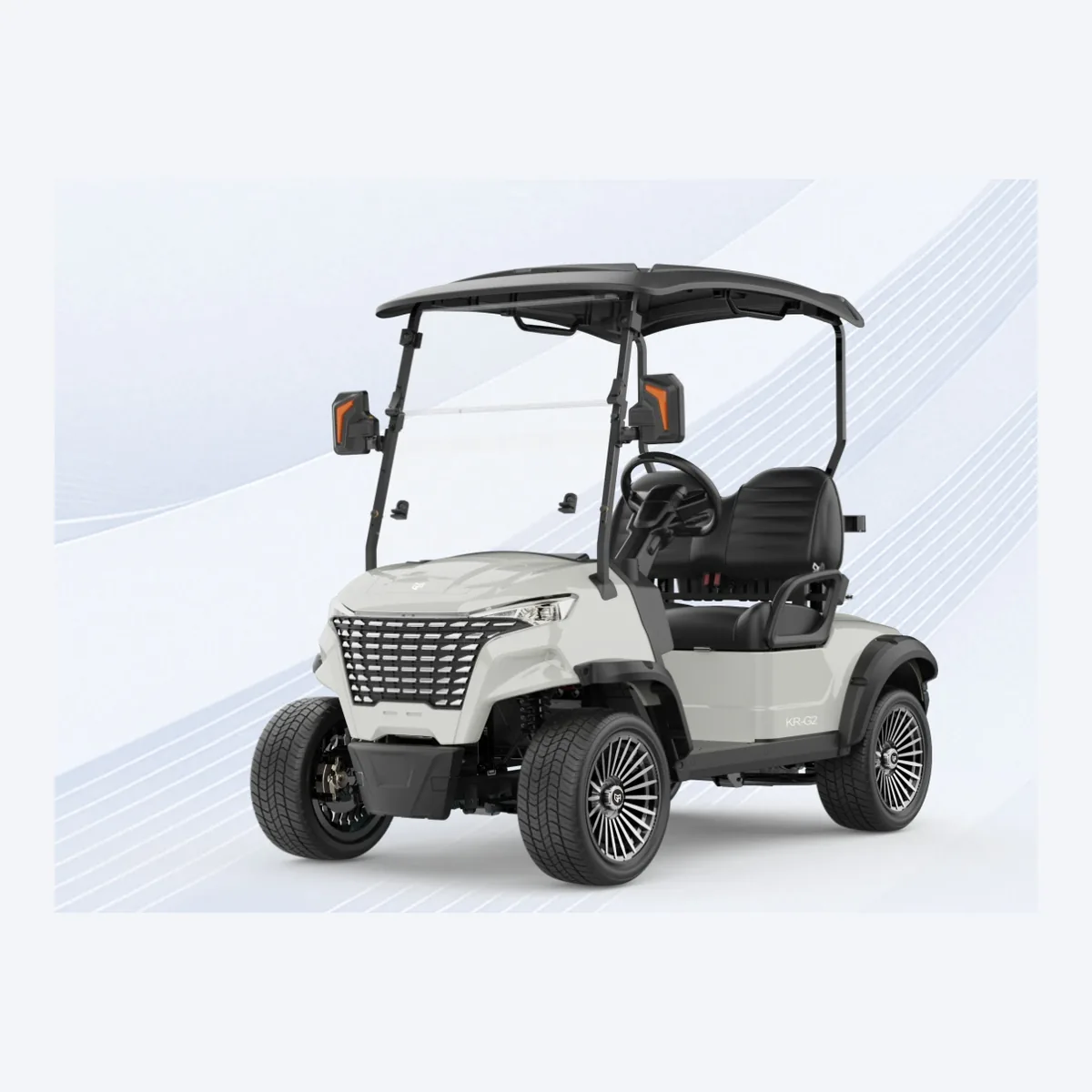
KR-G2 Ridge 2-Seat Lithium Golf Cart
Lithium two-seater with a 30–35 mile working range
- Range
- 30–35 mi
- Battery
- 51.2 V 105 Ah LiFePO4
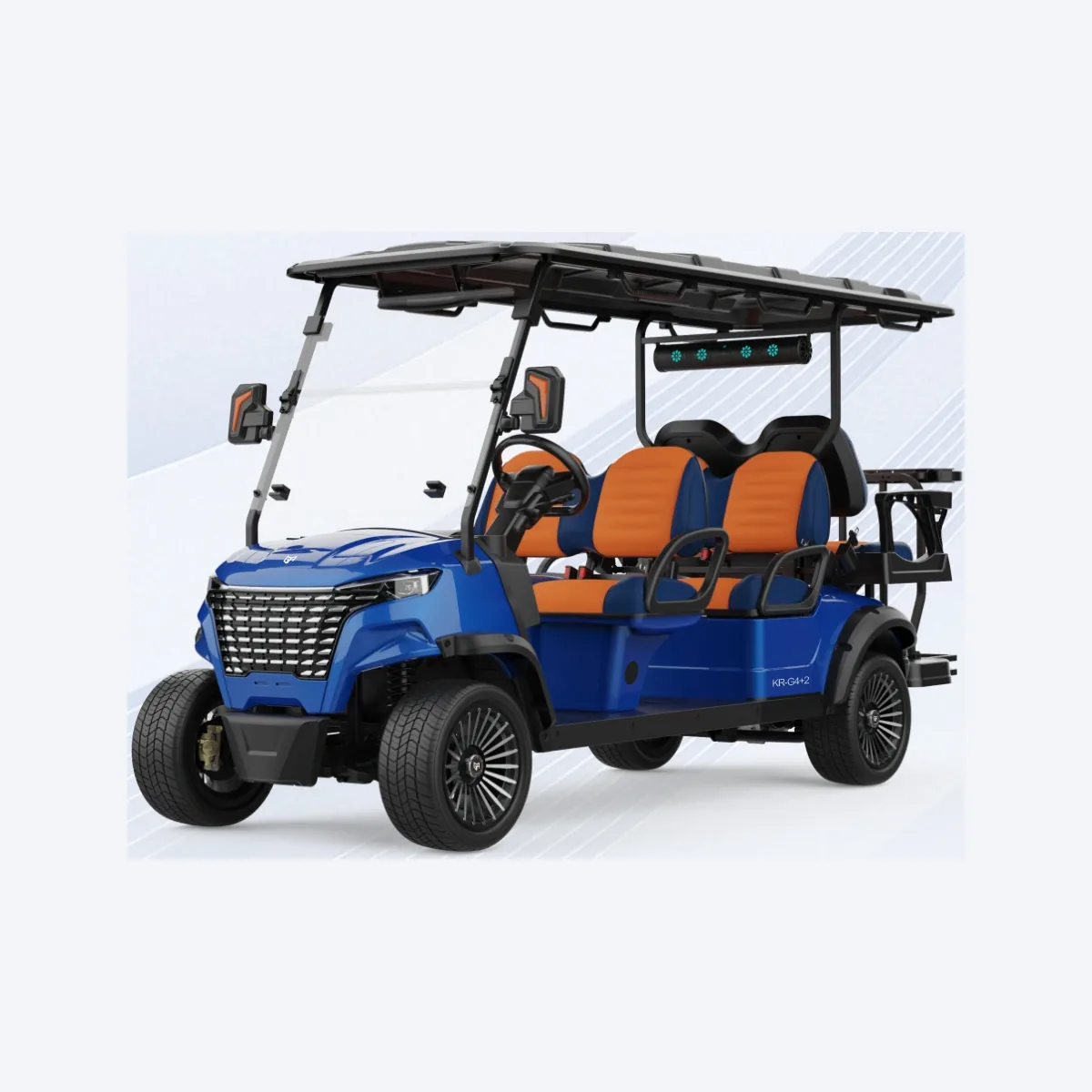
KR-G4+2 Ridge 6-Seat Lithium Golf Cart
Six seats on a 3.67 m lithium platform
- Range
- 30–35 mi
- Battery
- 51.2 V 105 Ah LiFePO4
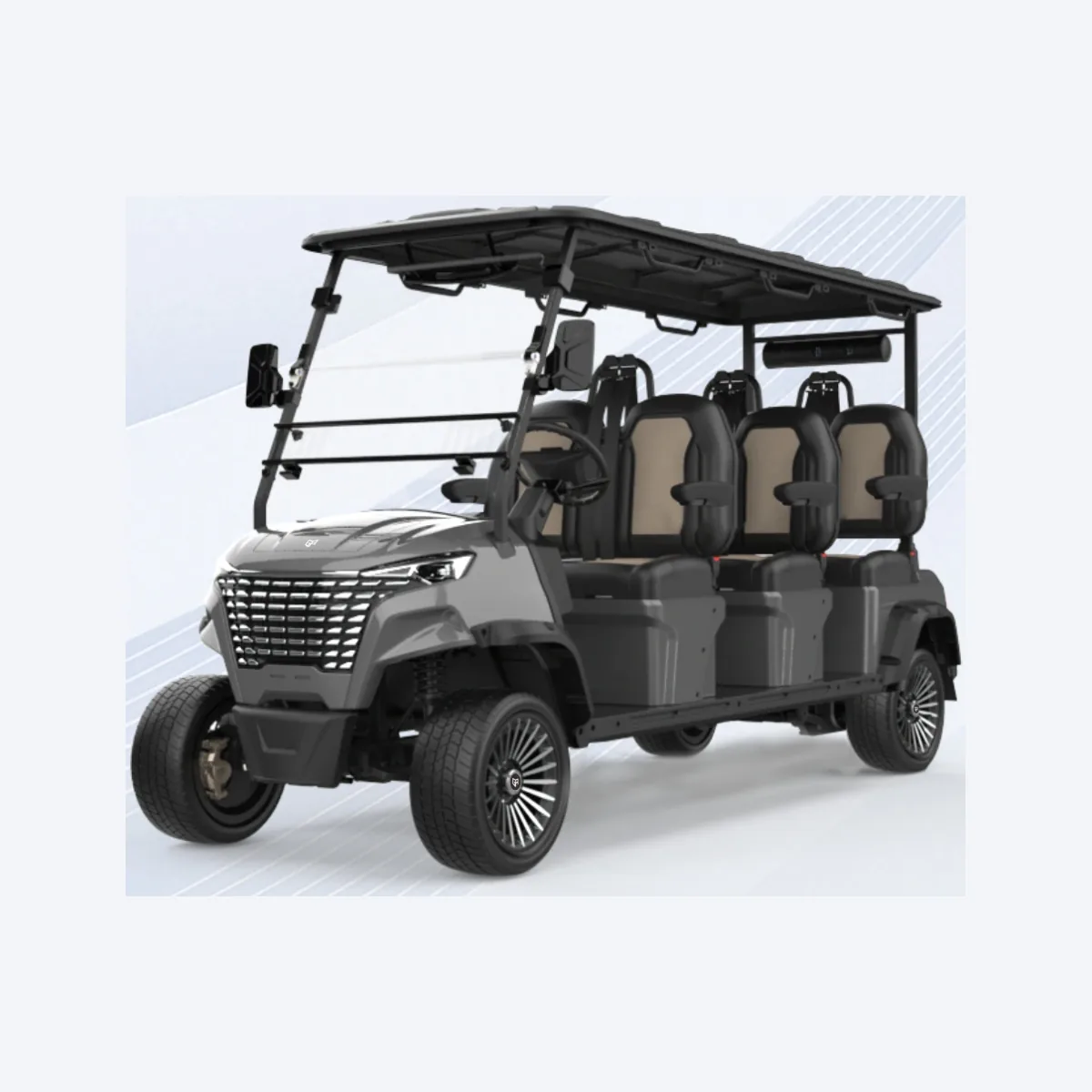
KR-P6 Ridge Utility 6-Seat
Six seats plus a flatbed on the long-wheelbase Ridge chassis
- Bed
- Flatbed
- Wheelbase
- 2860 mm
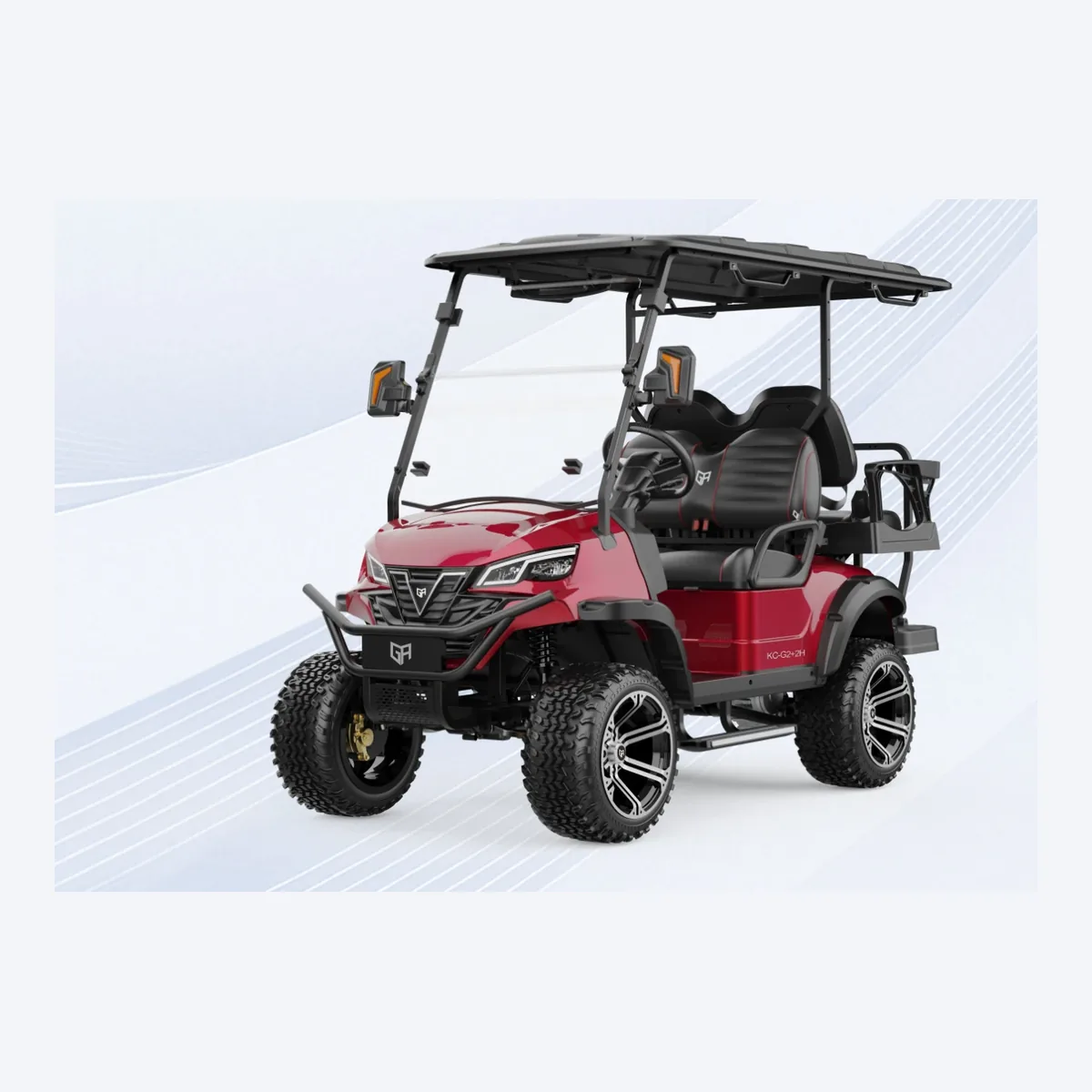
KC-G2+2H Coast 4-Seat Lithium Golf Cart
Compact four-seater with 190 mm clearance
- Range
- 30–35 mi
- Clearance
- 190 mm
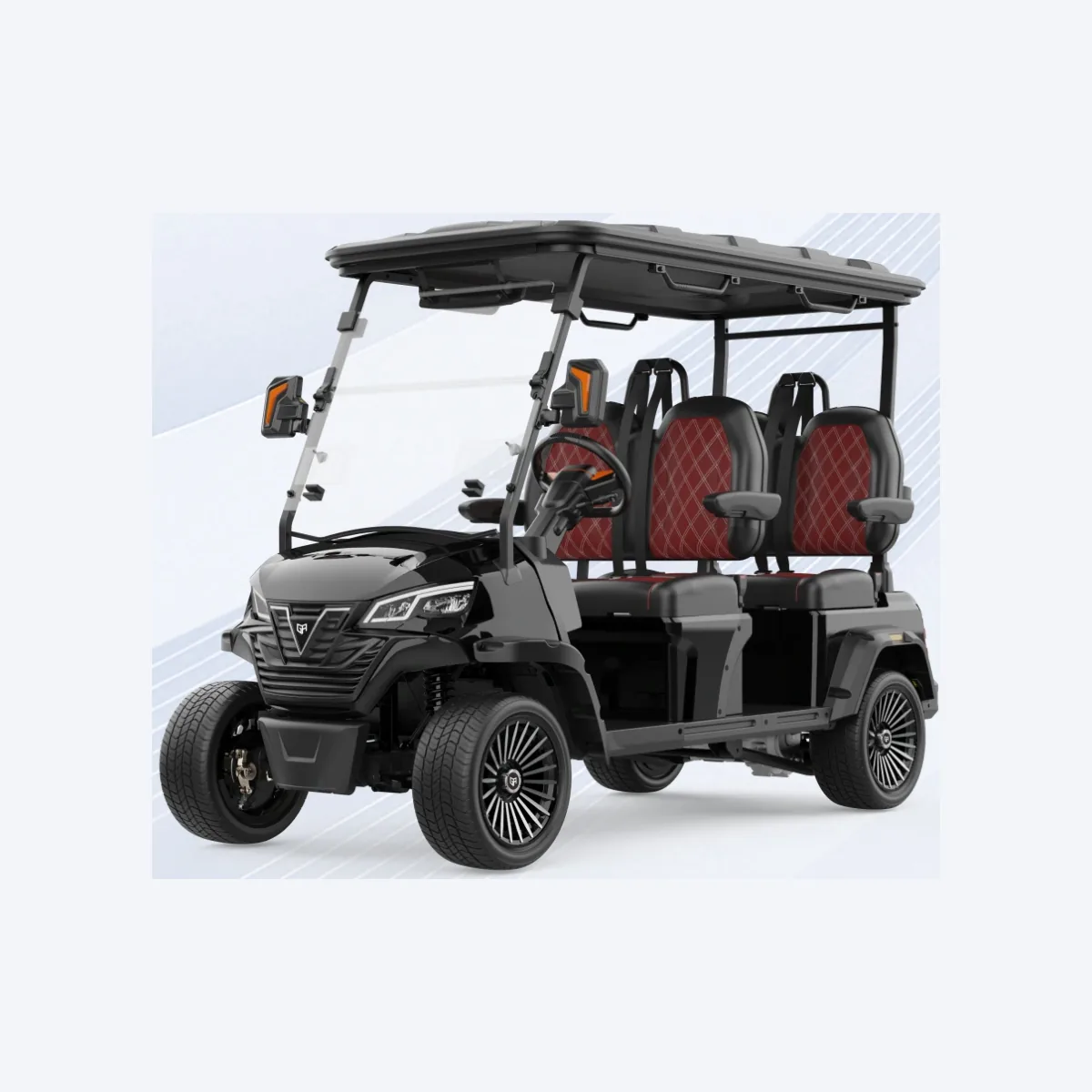
KC-P4 Coast Utility 4-Seat
Short-wheelbase utility cart for campus and estate work
- Bed
- Flatbed
- Wheelbase
- 2075 mm
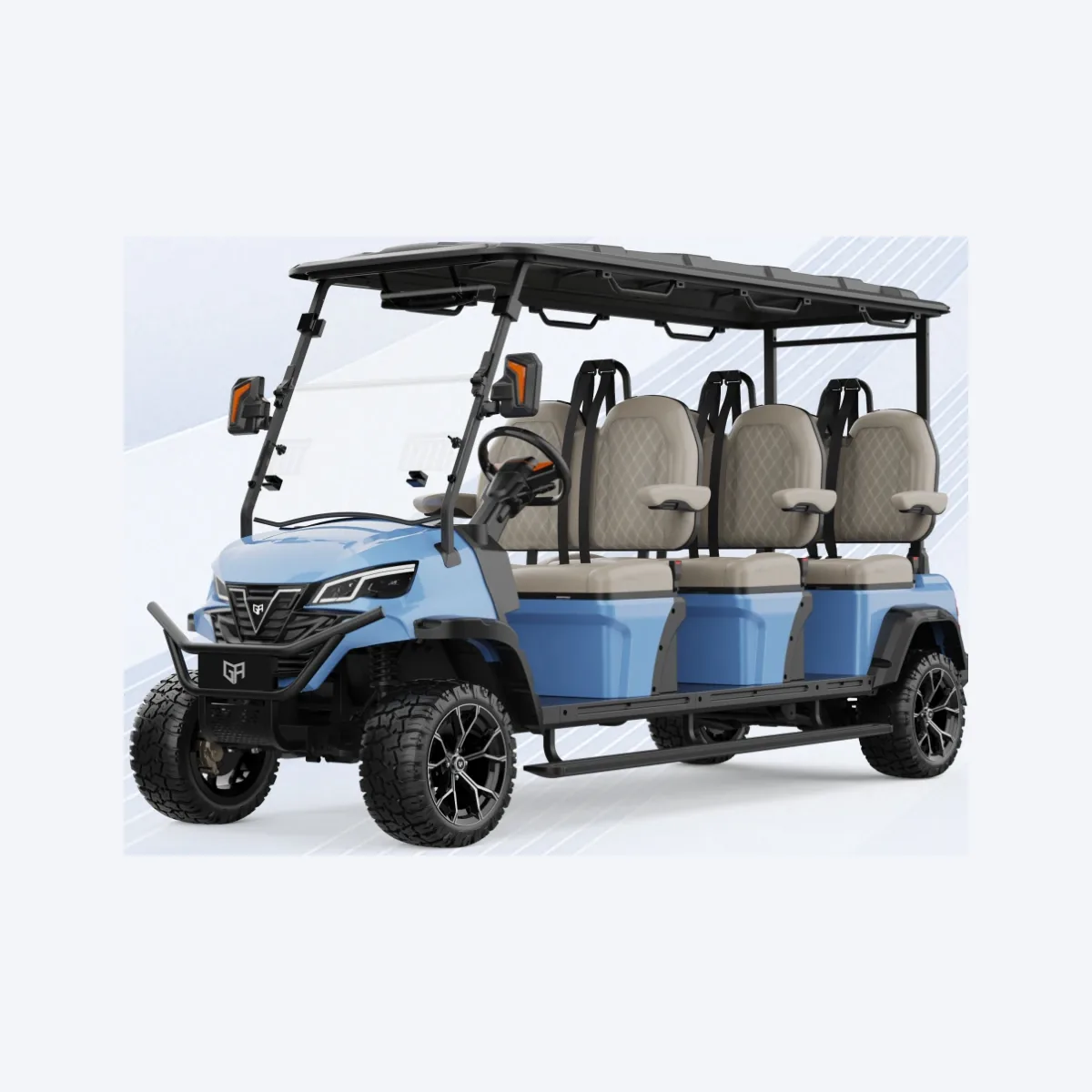
KC-P6H Coast Utility 6-Seat
Six seats, a flatbed and 190 mm clearance
- Bed
- Flatbed
- Clearance
- 190 mm
Thirteen models compared.
| Model | Seats | L × W × H (mm) | Battery | Range | Top speed | Curb weight |
|---|---|---|---|---|---|---|
| GC-A | 2 | 2450 × 1350 × 2000 | Lead-acid / LiFePO4 | 80–100 km | 40 km/h | — |
| GC-B | 4 | 2950 × 1290 × 1900 | 60 V 105 Ah lead-acid | 60 km | ≤ 40 km/h | — |
| KR-G2 | 2 | 2370 × 1340 × 2000 | 51.2 V 105 Ah LiFePO4 | 30–35 mi | ≤ 20 mph | ≤ 390 kg |
| KR-G2+2H | 4 | 2930 × 1330 × 2040 | 51.2 V 105 Ah LiFePO4 | 30–35 mi | ≤ 25 mph | ≤ 490 kg |
| KR-G4+2 | 6 | 3670 × 1340 × 2000 | 51.2 V 105 Ah LiFePO4 | 30–35 mi | ≤ 20 mph | ≤ 490 kg |
| KR-P4H | 4 | 2995 × 1270 × 2080 | 51.2 V 105 Ah LiFePO4 | 30–35 mi | ≤ 25 mph | ≤ 510 kg |
| KR-P6 | 6 | 3720 × 1270 × 2000 | 51.2 V 105 Ah LiFePO4 | 30–35 mi | ≤ 25 mph | ≤ 530 kg |
| KC-G2+2H | 4 | 2430 × 1330 × 2040 | 51.2 V 105 Ah LiFePO4 | 30–35 mi | ≤ 25 mph | ≤ 485 kg |
| KC-V2H | 2 | 2930 × 1330 × 2040 | 51.2 V 105 Ah LiFePO4 | 30–35 mi | ≤ 25 mph | ≤ 445 kg |
| KC-G2+2 | 4 | 2860 × 1330 × 1900 | 51.2 V 105 Ah LiFePO4 | 30–35 mi | ≤ 25 mph | ≤ 460 kg |
| KC-G4+2H | 6 | 3680 × 1330 × 2040 | 51.2 V 105 Ah LiFePO4 | 30–35 mi | ≤ 25 mph | ≤ 555 kg |
| KC-P4 | 4 | 2935 × 1270 × 2000 | 51.2 V 105 Ah LiFePO4 | 30–35 mi | ≤ 25 mph | ≤ 480 kg |
| KC-P6H | 6 | 3780 × 1270 × 2080 | 51.2 V 105 Ah LiFePO4 | 30–35 mi | ≤ 25 mph | ≤ 550 kg |
| Range summary | 2–8 | 2370–3780 mm | Lead-acid / LiFePO4 | 30–100 km | ≤ 40 km/h | ≤ 555 kg |
Specifications are based on the production sheet. Optional equipment and local regulations can change final values; the signed order sheet governs.
The options that change the vehicle.
Body colour and branding
Metallic paint and logo application to match the property or club identity.
Storage and weather kit
Storage box, bag rack, rain curtain, folding windshield and mirrors.
Lighting and audio
Ambient lighting, soundbar and starry-sky roof on selected models.
Charging accessories
Onboard charger matched to destination voltage; optional spare charger.
Category at a glance.
| Category | Golf Carts |
|---|---|
| Models | 8 model pages |
| Seats | 2–6 |
| Drive | 60 V / 51.2 V · 2.37–3.78 m · 390–550 kg |
| 2 to 8 seats | Two-seat marshals, four-seat guest cars, six-seat shuttles and eight-seat utility layouts. |
| Two chemistries | Lead-acid for lowest capital cost; LiFePO4 for faster charging and longer life. |
| IP67 drivetrain | Sealed motor and controller on the Ridge and Coast lithium platforms. |
| Shared service parts | One controller family, one charger specification and one set of procedures. |
| Body colour and branding | Metallic paint and logo application to match the property or club identity. |
| Storage and weather kit | Storage box, bag rack, rain curtain, folding windshield and mirrors. |
| Lighting and audio | Ambient lighting, soundbar and starry-sky roof on selected models. |
| Charging accessories | Onboard charger matched to destination voltage; optional spare charger. |
| Typical use | Golf course marshal and starter duties |
| Typical use | Resort and hotel guest transfers |
| Typical use | Residential estate and campus circulation |
| Typical use | Event and wedding venue shuttles |
The questions that decide the order.
How many seats do I need?
Count the largest group that must move in one trip. Two seats suit marshals and starter duties; four seats suit guest transfers and estate circulation; six seats suit resort shuttles; eight seats suit staff and equipment movement. Oversizing increases weight, turning radius and charging demand.
Lead-acid or lithium?
Lead-acid wins on purchase price and technician familiarity. Lithium wins on charging speed, weight and partial-charge tolerance. If the cart charges overnight and runs a fixed short route, lead-acid is adequate; if it runs multiple shifts or opportunity-charges, lithium is the better fit.
Can I mix models in one fleet?
Yes. The Ridge and Coast models share the same 48 V lithium drivetrain, charger specification and controller family. A mixed fleet can standardise on one charger, one spare-parts kit and one training programme. Classic models use a different electrical architecture and should be treated as a separate service group.
Do you supply left-hand-drive and right-hand-drive?
Steering position is confirmed at order. Not every model or market combination is available; include the destination country and the required drive side in the inquiry so we can confirm before quotation.
Tell us the terrain, the seats and the port.
A useful quotation needs three things: where the golf cart will run, how many people it carries, and where it ships. Send those and we will come back with a configuration sheet.
Request a quote
Tell us the model, seating and destination. We will reply with a configuration sheet and quotation.