Laws & Road Use
LSV, registration, lighting, insurance, licensing and import compliance — a market-by-market checklist.
6 articles · Updated 2026-11-03
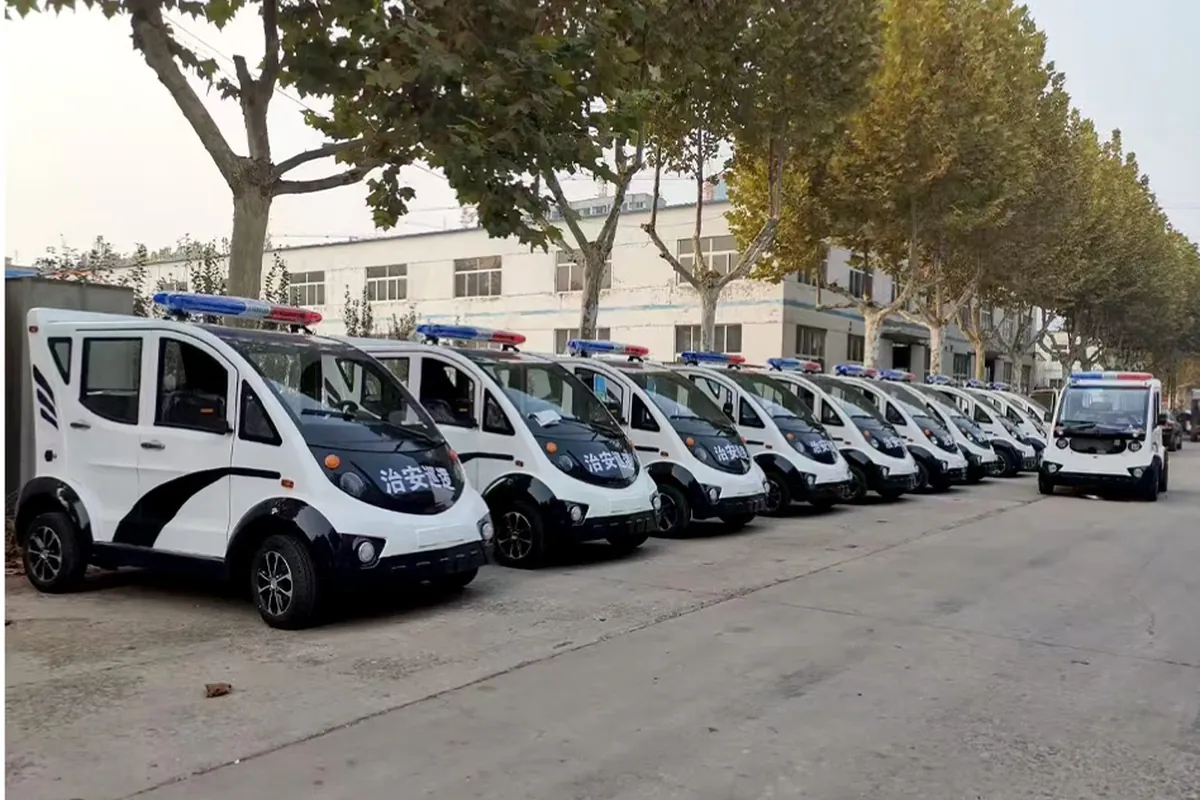
Road-use rules are set locally. A cart that is legal on a private course may not be legal on the road outside the gate. The key questions are the vehicle category, the equipment list and the registration process.
This cluster explains LSV categories, what street legal actually requires, and the documents a buyer should request before ordering a road-use vehicle.
What Makes a Golf Cart Street Legal?
Street legal is a local status, not a build sheet. What authorities usually check, and how to confirm the equipment list before ordering.
LSV vs Golf Cart: Key Differences
An LSV is a road vehicle category; a golf cart is a vehicle type usually confined to private land. The differences that matter when specifying a fleet.
Golf Cart Laws by Market: What to Check
A market-by-market framework for golf cart import, classification, registration, road access and insurance, with the questions to ask in each region.
Golf Cart Licence, Insurance & Registration
Three separate questions that buyers often bundle together: who may drive, what must be registered, and what insurance a golf cart fleet actually needs.
Golf Cart Safety Equipment Checklist
The equipment that commonly appears on a road-use list, the items that matter on private sites, and how to audit a cart before delivery.
Importing a Golf Cart: Compliance Checklist
The documents, battery rules and customs steps that decide whether an imported golf cart reaches the site ready to use.
Tell us the terrain, the seats and the port.
A useful quotation needs three things: where the golf cart will run, how many people it carries, and where it ships. Send those and we will come back with a configuration sheet.
Request a quote
Tell us the model, seating and destination. We will reply with a configuration sheet and quotation.