LSV vs Golf Cart: Key Differences
An LSV is a road vehicle category; a golf cart is a vehicle type usually confined to private land. The differences that matter when specifying a fleet.
Quick answer
An LSV is a road category with a speed cap — often 25 mph / 40 km/h — while a golf cart is a private-site vehicle. Confirm 48–72 V, 2–6 seats and road status before choosing.
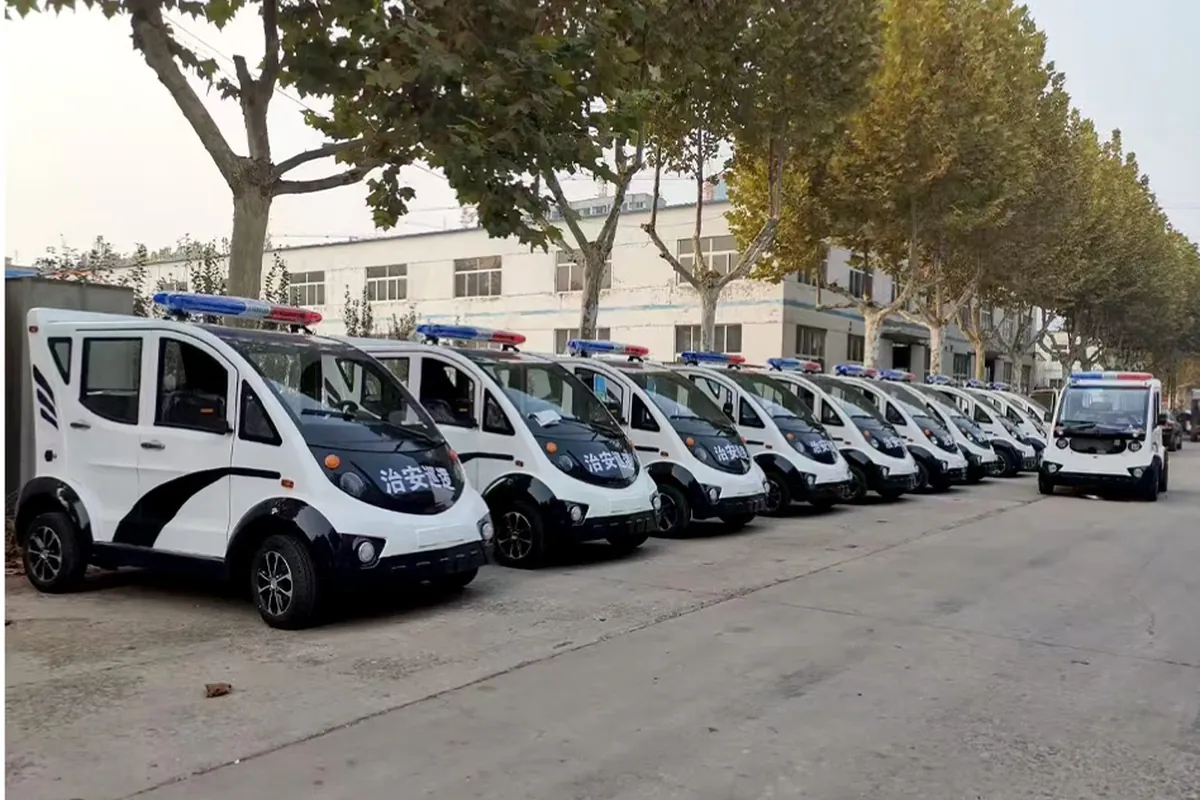
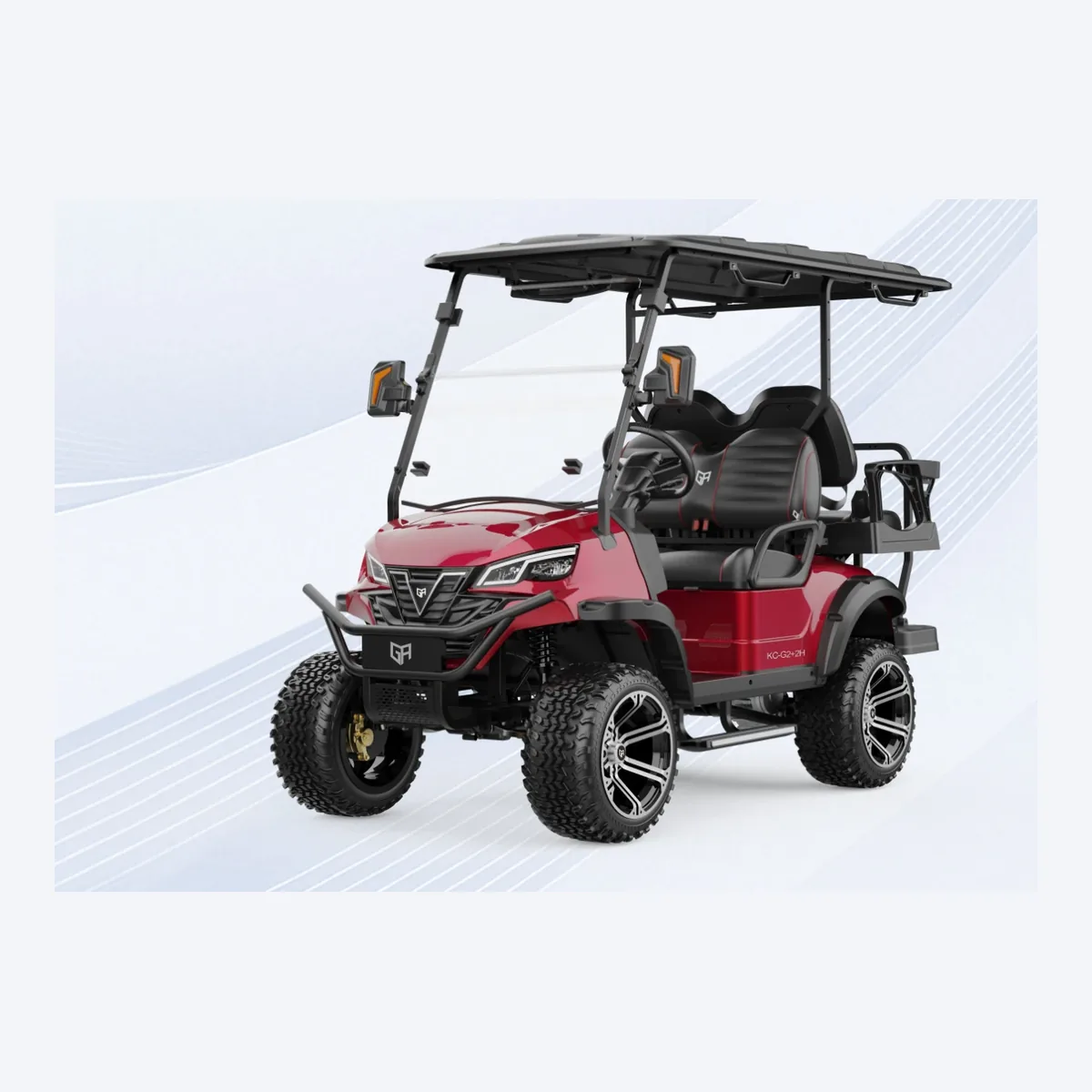
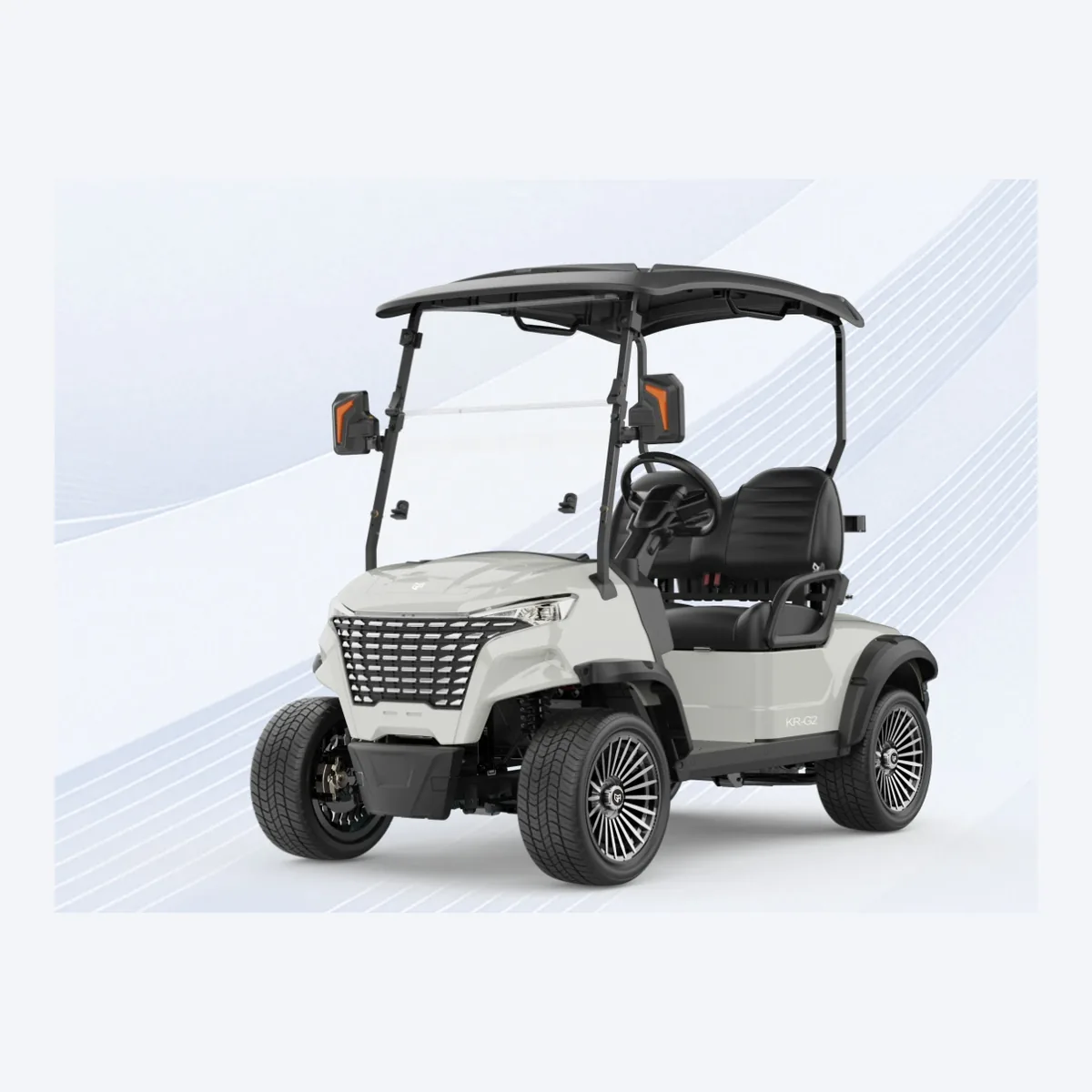
LSV and golf cart are often used as if they were trim levels of the same thing. They are not. A golf cart describes a vehicle and its usual setting: a small, open electric vehicle designed for courses, resorts and private roads. An LSV, a low-speed vehicle, is a legal category that a vehicle may be approved into, with its own equipment list, identification and registration route. A cart can be built to LSV specification; an LSV can look almost identical to a cart.
This article explains the difference in practical terms, the equipment that usually separates the two, and the questions to settle before a buyer chooses one. It is general information, not legal advice. Definitions, thresholds and paperwork are set locally and must be confirmed with the destination authority.
What is an LSV in plain terms?
An LSV is a category for four-wheeled vehicles that are faster than a typical golf cart but slower than a passenger car. The category is usually defined by a top-speed band, a gross vehicle weight limit and a list of safety equipment. Because those numbers are set by each jurisdiction, the same vehicle may be an LSV in one country and an unclassified off-road vehicle in another. The label is not printed on the chassis; it is granted through approval, inspection or registration.
That is why the term should always be followed by a question: LSV in which market, under which category, for which roads? Without those three answers, the label is marketing rather than a specification.
How is an LSV different from a golf cart in daily use?
The first difference is where the vehicle can go. A golf cart is normally confined to private land, designated cart paths and, in some places, specific public routes under a local permit. An LSV is intended for public roads, usually within the limits of its category and often on roads with lower speed limits or on designated routes. The exact road network is a local decision and should be mapped before purchase.
The second difference is who may drive it. An LSV commonly requires a driving licence, because it is registered as a motor vehicle. A cart on private property often does not, although the site may impose its own age, training or permit rules.
The third difference is the cost of ownership. Registration, plates, periodic inspection and road insurance usually apply to an LSV. A cart may need only site insurance and internal maintenance records. Those costs are predictable, but they change the comparison between a converted cart and a purpose-built road vehicle.
Which equipment separates the two?
The table below describes the typical differences. It is a starting point for a conversation with the authority, not a legal checklist, because equipment rules vary in detail from market to market.
| System | Typical golf cart | Typical LSV requirement |
|---|---|---|
| Lighting | Basic headlight and tail light | Full road lighting with signals and reflectors |
| Mirrors | Often optional | At least one, sometimes two |
| Horn | Often optional | Required |
| Seat belts | Not always fitted | Required for each designated seat |
| Windscreen | Optional | Approved glazing and wipers if fitted |
| Brakes | Hydraulic or mechanical, site duty | Service and parking brake, performance verified |
| Identification | Serial number | VIN and compliance label |
| Tyres | Turf or utility tread | Road-rated tyres |
| Speed | Governed for the site | Governed and documented to the category |
The pattern is consistent: an LSV adds the systems that make a small vehicle predictable in mixed traffic, and it adds the paperwork that lets an authority verify them. A cart can be ordered with many of the same parts, but the parts alone do not change the category.
Does a higher top speed make a cart an LSV?
No. Speed is one input; equipment, weight, approval and paperwork also decide. Increasing the governed speed of a cart without the rest produces a vehicle that is neither a compliant cart nor an approved LSV, and it may be uninsurable. In many markets a cart modified to go faster is treated as a modified vehicle that needs re-approval.
Controllers are easy to reprogram, which is exactly why the setting should be treated as a controlled specification rather than a dealer preference. If a buyer needs more speed for a route, the correct step is to confirm the category and the equipment list first, then specify a vehicle that meets them.
Can a golf cart be converted into an LSV?
Sometimes, in some markets. Conversion usually involves approved lighting, mirrors, belts, a parking brake, a VIN or identification plate and an inspection. The hard part is documentation: the converter needs a statement from the original manufacturer, or an approval route for modified vehicles, and some markets do not allow conversions at all. A conversion accepted in one state may be rejected in the next.
Price it before committing. Parts, labour, inspection, registration and insurance often approach the difference in price between a converted cart and a purpose-built road vehicle, and the resale value of a converted cart is usually lower. If the route is long or the vehicle will carry paying passengers, a purpose-built LSV is the cleaner starting point.
Which one should a site buy?
Start with the route, not the vehicle. A private golf course, resort, campus or estate with no public-road crossing is usually served by carts. A community with public streets, or a route that crosses a public road, may need registered LSVs, or a local permit that allows carts on defined routes. Mixed sites often run both: carts for the internal loop and a small number of LSVs for the road legs.
Then compare the operating model. LSVs add registration, inspection, licensing and road insurance, but they can use public roads and may be resold more easily. Carts are simpler and cheaper to operate, but their use is bounded by the property line. The wrong choice is usually made by buying the vehicle before mapping the route.
What should a buyer ask before choosing?
Ask which roads exactly, and at which hours; which category the authority applies to the vehicle; which equipment and documents that category requires; who will inspect, register and plate it; what insurance costs for each option; and whether the supplier can provide the documents, not just the parts.
Get the answers in writing and keep them with the purchase order. If the supplier cannot name the category or the document list, the buyer is being asked to carry a risk that belongs with the market, not the factory. A short written answer from the authority is worth more than a long brochure.
The questions that decide the order.
Is an LSV just a faster golf cart?
No. Speed is only one input. An LSV is a road vehicle category defined by a combination of top speed, weight, equipment and approval, and it usually carries a VIN, plate and road insurance. A golf cart is a vehicle type normally used on private land, even when it looks similar.
Can a golf cart be converted into an LSV?
Sometimes, in some markets. Conversion usually requires approved lighting, mirrors, belts, a parking brake, identification and an inspection, plus documentation from the original manufacturer. Some jurisdictions do not accept conversions at all, so confirm the route before buying parts.
Does an LSV need a driving licence?
On public roads, an LSV commonly requires a driving licence and registration, because it is treated as a motor vehicle. A golf cart on private property often does not. The exact requirement depends on the market and sometimes on the specific road, so confirm with the road authority.
Which is better for a resort or community?
It depends on the route. A private resort with no public-road crossing is usually served by carts. A community with public streets, or a route that crosses a public road, may need registered LSVs or a local permit for carts. Confirm the road access first, then choose the vehicle.