48V vs 72V Golf Cart — Voltage, Power and Range
48 V is the common platform for resort, campus and golf-course carts; it supports 5 kW motors and 30–35 mile lithium range. 72 V systems can deliver more power and speed for heavier loads or longer routes, but require matched controllers, chargers and service training. Voltage alone does not decide range; battery capacity and duty cycle do.
Updated 2026-11-03 · Export Desk
- 48 V
- Fleet platform
- 60 V
- Classic models
- 72 V
- Higher power option
- 5 kW
- Ridge / Coast motor
What does voltage change?
Voltage is the electrical pressure of the system. A higher-voltage pack can deliver more power for the same current, which may support a larger motor, more torque or a higher top speed. It also changes the controller, charger, wiring and safety requirements.
Voltage does not automatically mean more range. Range depends on the pack’s energy (voltage × capacity), vehicle weight, terrain and driving style. A 48 V pack with more Ah can outlast a smaller 72 V pack.
Is a 48V golf cart enough, or do you need a 72V golf cart?
For most resort, campus and golf-course routes, a 48V golf cart is enough. The Ridge and Coast models use a 48 V 5 kW IP67 drive and are rated for 20% gradeability, which covers the ramps, bridges and service roads most sites use.
A 72V golf cart is a project-specific system for heavier loads, steeper grades or higher speed. It is not automatically better. If a supplier offers a 72V golf cart, confirm the motor, controller, charger and service support are matched.
Which voltage do the catalogue models use?
The Ridge and Coast lithium models use a 48 V system with a 51.2 V 105 Ah LiFePO4 pack and a 48 V / 25 A onboard charger. The Classic GC-A offers 60 V lead-acid or LiFePO4 with a 4–7.5 kW motor; the GC-B uses a 60 V 105 Ah lead-acid pack.
The 72 V option is specified for applications that need more power or speed. Availability depends on the model and destination; it is confirmed on the quotation.
Which voltage fits which site?
48 V suits most resort, campus, hotel and golf-course duty: enough power for 2–6 seats, moderate gradients and 30–35 mile routes. It is the simplest fleet standard because chargers, controllers and service procedures are shared.
60 V suits classic models and sites that want a longer lead-acid range or a larger motor. 72 V suits heavier utility bodies, steep terrain or applications that need more speed, but it adds cost and service complexity.
What should you confirm before choosing?
Confirm the loaded weight, the steepest grade, the daily distance and the charging window. Ask for the motor, controller and charger specification as a set, not voltage alone. A higher-voltage system with the wrong charger or controller is a reliability risk.
For a mixed fleet, standardise voltage where possible. Mixing 48 V, 60 V and 72 V means separate chargers, spares and training.
The differences, in one table.
| System | Typical use | Charge | Fleet note |
|---|---|---|---|
| 48 V | Resort, campus, golf course | ≤5 h lithium | One charger standard |
| 60 V | Classic models, longer lead-acid range | 6–10 h | Separate charger |
| 72 V | Heavy utility, steep terrain, higher speed | Model-specific | Higher service complexity |
Start with these models.
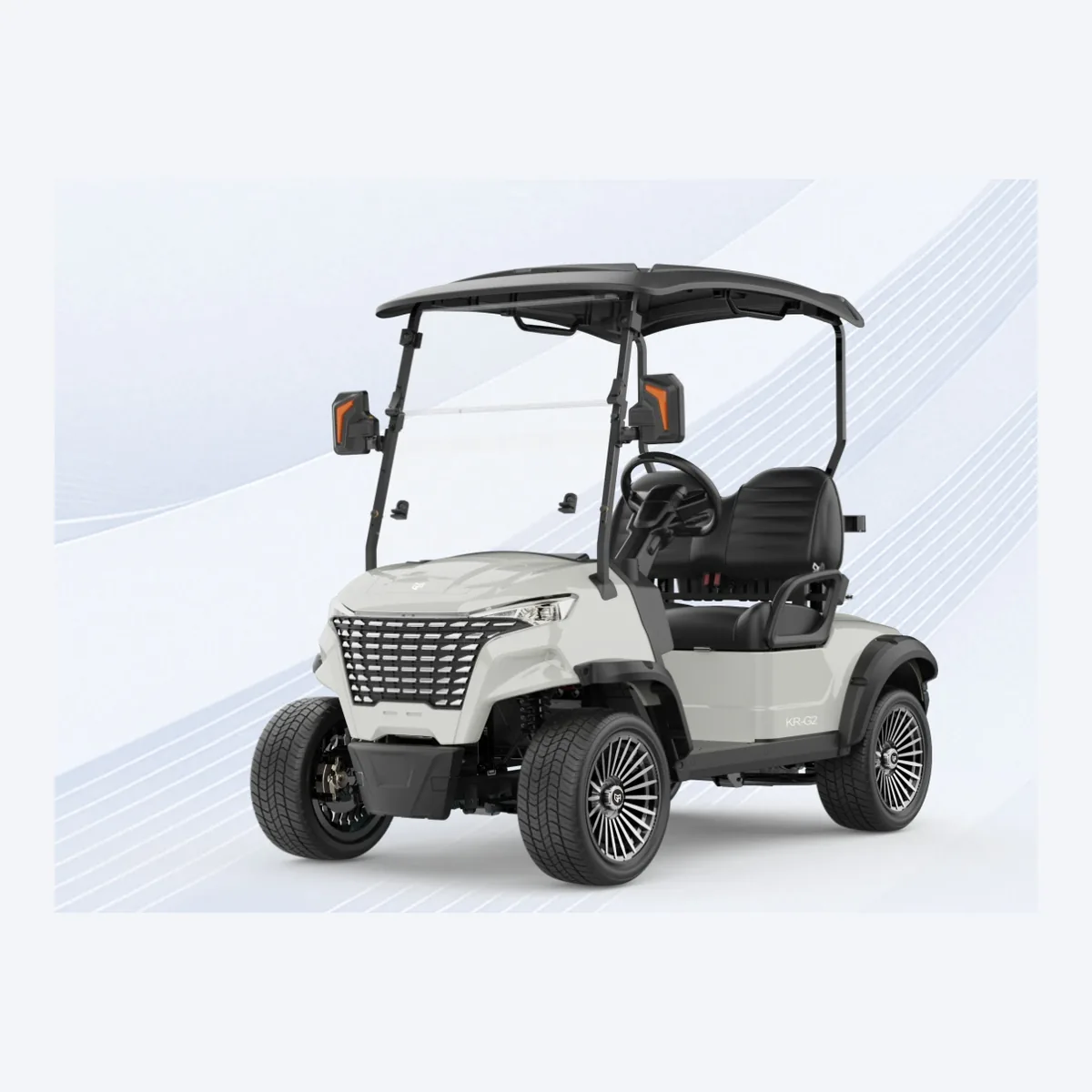
KR-G2 Ridge 2-Seat Lithium Golf Cart
Lithium two-seater with a 30–35 mile working range
- Range
- 30–35 mi
- Battery
- 51.2 V 105 Ah LiFePO4
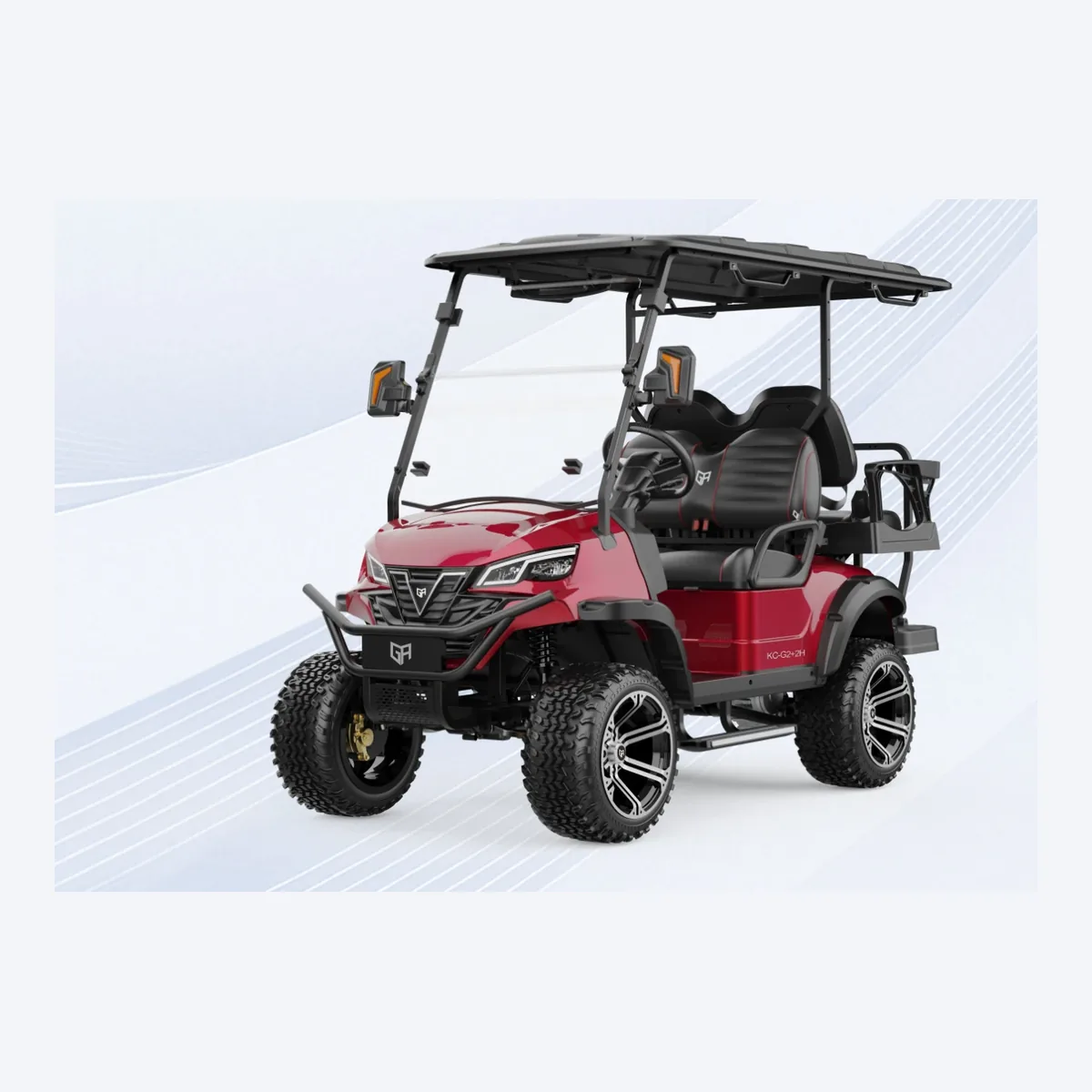
KC-G2+2H Coast 4-Seat Lithium Golf Cart
Compact four-seater with 190 mm clearance
- Range
- 30–35 mi
- Clearance
- 190 mm
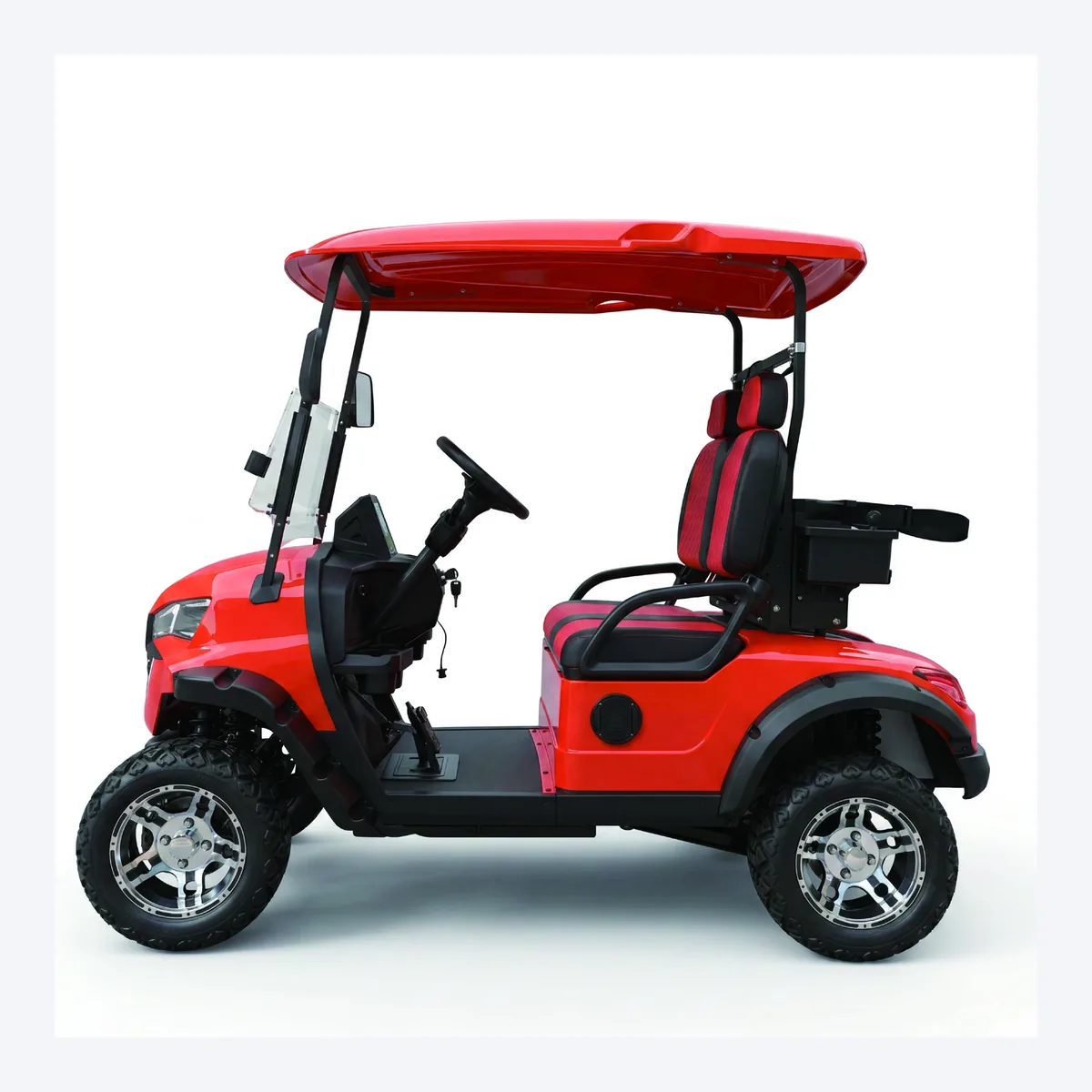
GC-A Classic 2-Seat Golf Cart
Long-range classic with lead-acid or lithium power
- Range
- 80–100 km
- Motor
- 4 / 5 / 7.5 kW
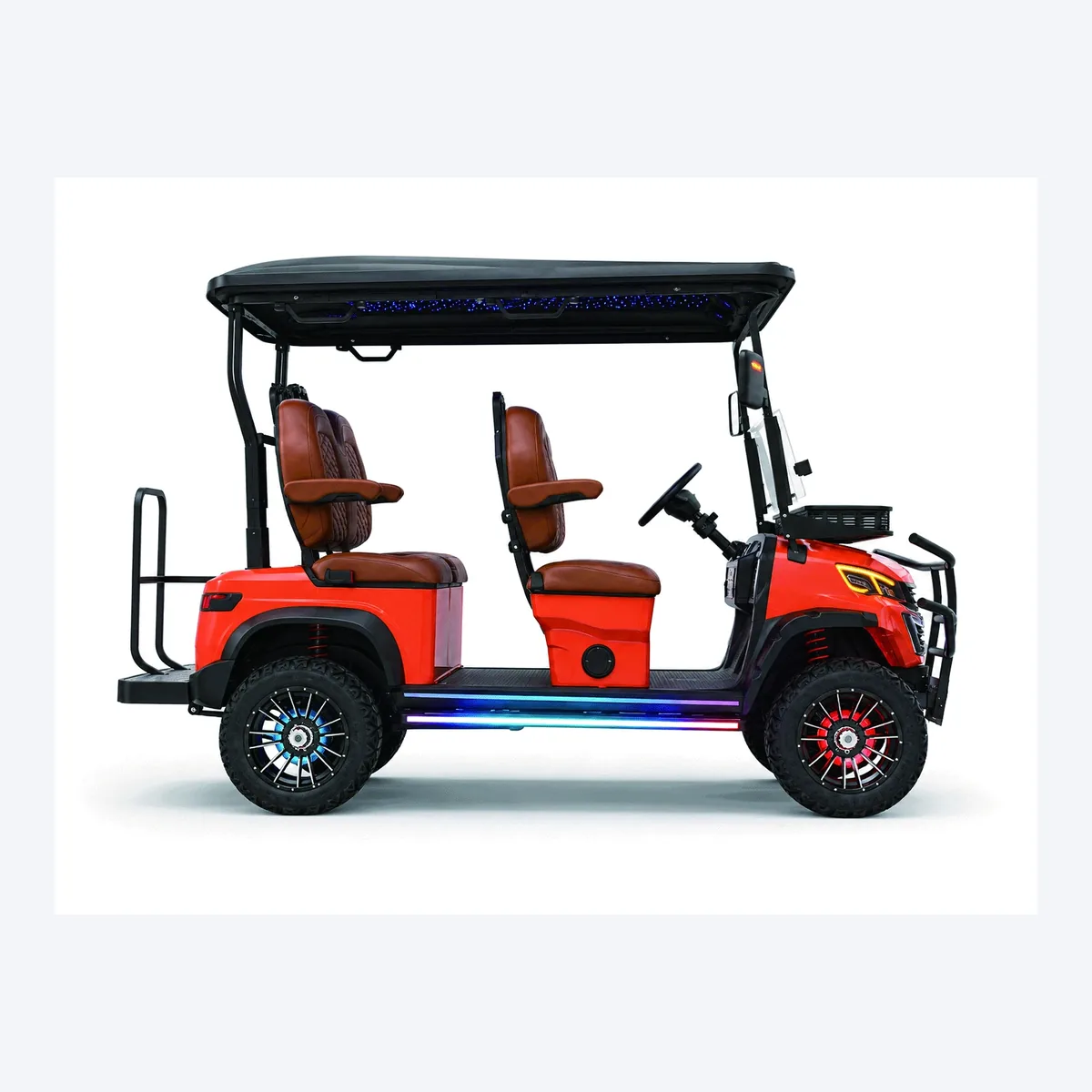
GC-B Classic 4-Seat Golf Cart
Four seats, 60 V lead-acid, straightforward ownership
- Range
- 60 km
- Motor
- 60 V 4 kW AC
The questions that decide the order.
Is 72V better than 48V?
Not automatically. Higher voltage can deliver more power and speed, but it also changes the controller, charger and service requirements. Match the system to the load, terrain and route.
Does higher voltage mean longer range?
No. Range depends on the pack’s energy (voltage × capacity), weight, terrain and driving style. A larger 48 V pack can outlast a smaller 72 V pack.
Can I use a 48V charger on a 72V cart?
No. The charger must match the pack voltage and chemistry. Using the wrong charger can damage the battery and create a safety risk.
Which voltage is best for a resort?
48 V is usually the simplest fleet standard for 2–6 seat resort carts. It supports the lithium platform and a shared charger specification.
Can I mix voltages in one fleet?
It is possible but adds separate chargers, spares and training. Standardise where possible.
What is the top speed?
Most catalogue models are governed at 20–25 mph (32–40 km/h). The exact limit is confirmed on the order sheet and may be lower for site use.
Is 72V road legal?
Voltage alone does not determine road legality. The vehicle category, equipment and registration rules decide it. Confirm with the destination authority.
Tell us the terrain, the seats and the port.
A useful quotation needs three things: where the golf cart will run, how many people it carries, and where it ships. Send those and we will come back with a configuration sheet.
Request a quote
Tell us the model, seating and destination. We will reply with a configuration sheet and quotation.