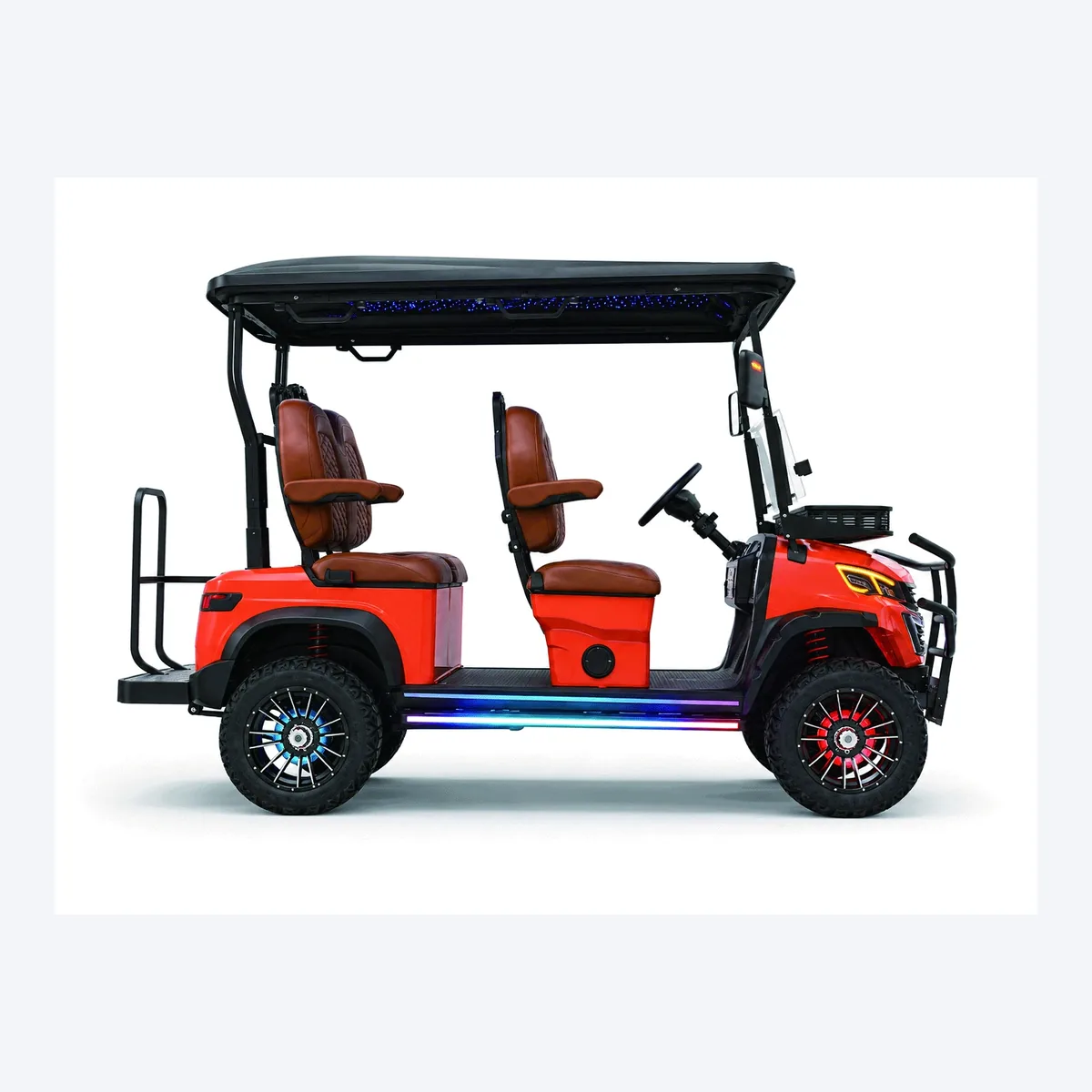
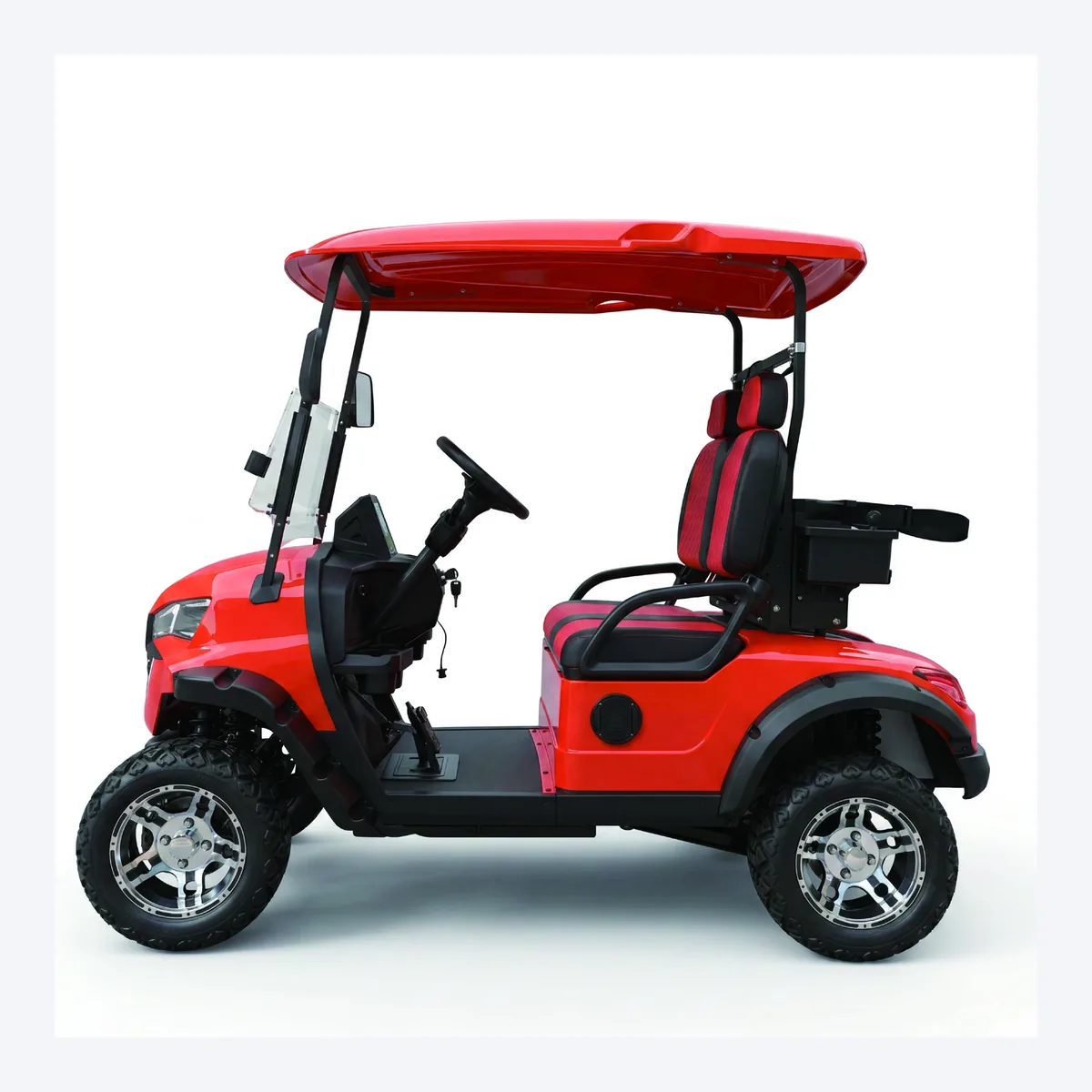
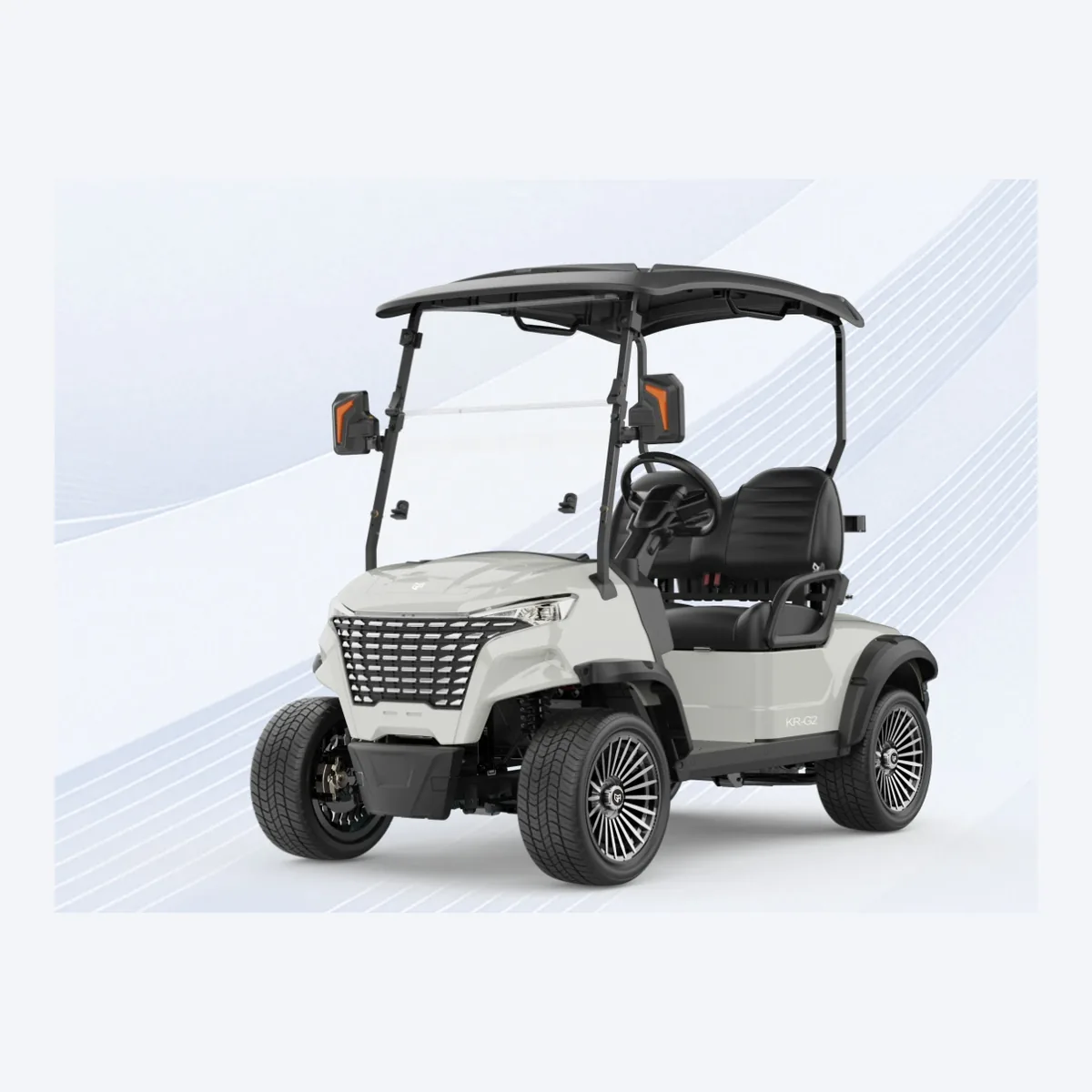
New vs Used Golf Cart: A Balanced Buying Guide
New and used golf carts compared on warranty, battery condition, parts, documentation and the hidden costs behind a low purchase price.
Quick answer
A used cart can save on purchase, but battery condition decides the real cost. Check the pack voltage, 30–35 mile range and 5-hour charge on a 51.2 V 105 Ah lithium cart before comparing prices.
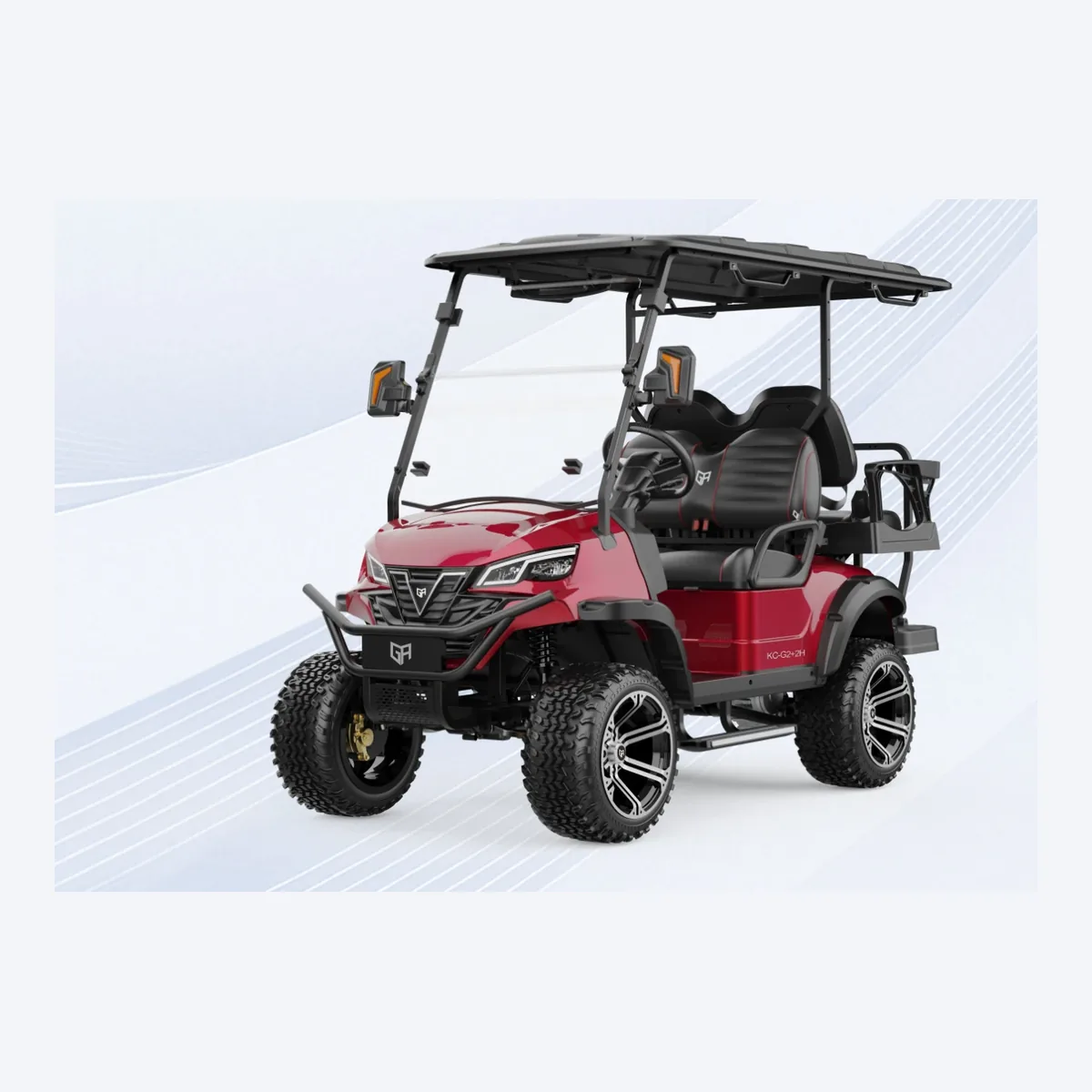
The case for a used cart is simple: someone else has absorbed the first years of depreciation, and the vehicle may still have useful life left. The case for a new cart is also simple: known history, a warranty and a battery whose condition you can verify. Neither case wins by default. The answer depends on how the cart will be used, who will maintain it and what documentation comes with it.
This guide compares the two on the points that decide the outcome: warranty, battery condition, parts and documentation, plus the hidden costs that a low purchase price can hide. All prices are quotation-based and vary with model, age and market.
What does a new cart include that a used cart may not?
A new cart arrives with a factory or contract warranty, a battery pack with a datasheet, a full document set and a known configuration. The manual, wiring diagram and spare-parts list are supplied, and the dealer or factory can confirm the exact motor, controller and charger fitted.
A used cart may include some of that, but rarely all. The battery may be older than the vehicle, the charger may have been replaced, and the paperwork may be incomplete. The gap is not a reason to reject used vehicles; it is a reason to inspect and to ask for documents in writing.
| Factor | New cart | Used cart |
|---|---|---|
| Warranty | Written, defined period | Short, limited or none |
| Battery | New, with datasheet | Age and condition must be verified |
| Documentation | Manual, wiring diagram, parts list | Often incomplete |
| Parts | Current catalogue | May be discontinued or platform-specific |
| Configuration | Specified at order | Fixed; options limited |
| Lead time | Production and shipping schedule | Usually available sooner |
| Main risk | Depreciation, higher purchase price | Hidden faults and battery replacement |
How should you assess a used battery?
The battery is the largest single wear item and the one most likely to be near the end of its life. Start with chemistry, age and voltage. Ask for a load test rather than a resting voltage reading, because a pack can show a healthy resting voltage and still collapse under load.
For lead-acid, check the date code, terminal condition, case swelling and electrolyte level where accessible. For lithium, ask for the battery management system report, the cycle count if available, and the charger history. A test drive that includes a slope and a sustained run tells you more than a five-minute loop around the yard.
If the battery condition is uncertain, obtain a quotation for a replacement pack before agreeing a price. That turns an unknown into a known cost.
What warranty protection do you get with each?
A new cart normally carries a written warranty defined in the sales contract, with a stated period and a process for claims. Coverage usually separates the vehicle, the powertrain and the battery, and the battery terms may be prorated. Ask for the warranty document before ordering, not after delivery.
A used cart may be sold with a short dealer warranty, a limited powertrain warranty or no warranty at all. A private sale is usually as-is. Ask what is covered, for how long, who performs the work and whether the battery is included. If the answer is verbal, put it in the purchase agreement.
How do parts and documentation differ?
New carts have a current parts catalogue, a consistent bill of materials and a supply chain for wear items. A fleet bought new can standardise on one charger, one controller family and one set of service procedures, which reduces training and stock.
Used carts can be harder. Model generations change, some panels and controllers are discontinued, and a vehicle from a different platform adds a second parts stream. Documentation may be missing, which slows diagnosis. The exception is a used cart that matches an existing fleet: shared parts and procedures can make it a sensible addition.
What hidden costs should you budget for?
Beyond the purchase price, budget for battery replacement, tyres, brakes, charger repair, body panels, labour and downtime. Add transport, inspection and any reconditioning needed to meet your site standards. These costs are not unique to used carts, but they arrive sooner and less predictably.
A used cart also carries risk cost: the chance that a fault appears in the first season. A new cart carries depreciation and a higher purchase price instead. Neither is free; the question is which cost your operation can absorb.
When is a used cart the better buy?
Used makes sense for low-hour duty, backup vehicles, seasonal sites and fleets with in-house maintenance. It also suits a buyer who needs to match an existing fleet and can verify the history. If the cart will run short routes at low speed and the battery has documented life left, the savings can be real.
A used cart is a poor buy when the battery is at the end of its life, the frame is corroded, or the model is unsupported. In those cases the purchase price is only the entry cost.
When is a new cart the better buy?
New makes sense for guest-facing fleets, multi-year duty, custom livery and operations that cannot tolerate unplanned downtime. The warranty, the known battery and the parts continuity are worth more than the price difference when the cart is central to the service.
What should you inspect before buying used?
Check the frame for cracks and corrosion, especially around the battery compartment and the rear axle. Inspect tyres, brakes, steering play, lights, seats and canopy. Run the charger through a full cycle and confirm it is matched to the pack. Test the cart on the steepest route it will face. Photograph the model plate and record the serial number.
Ask for the service history, the battery datasheet and any repair invoices. If the seller cannot provide them, treat the missing information as a risk and price it in.
The balanced conclusion is that a used cart is a good buy when the battery, the frame and the documents check out, and a poor buy when they do not. A new cart is a good buy when warranty and continuity matter more than the initial price. In both cases, the quotation should state the battery, the charger, the documents and the warranty terms, so the comparison is honest.
The questions that decide the order.
Is a used golf cart a good first purchase?
It can be, if the battery, frame and documents check out and the buyer has a maintenance route. A first-time buyer without inspection experience should bring a technician or buy from a seller who provides a written condition report and a short warranty.
How can I tell if a used battery needs replacing?
Ask for a load test, the battery date code and a range demonstration. A pack that charges quickly and discharges quickly, shows swollen cases or corroded terminals is near the end of its life. For lithium, request the battery management system report and charger history.
What documents should come with a used cart?
Ask for the model and serial number, the battery datasheet, the charger specification, a service history and any repair invoices. If the cart matches an existing fleet, the parts list and wiring diagram are worth requesting as well.
Does a new cart always cost less over its life?
Not always. A new cart carries a higher purchase price and depreciation, while a used cart may need a battery and repairs soon. The comparison depends on the purchase quotation, the remaining battery life, the ownership period and the maintenance labour rate.