What Drives an Electric Golf Cart Price
The cost structure behind an electric golf cart quotation: battery, motor, body, options, quantity and delivery terms, and what to check before comparing.
Quick answer
The quotation is driven by battery, motor, body and options: 48–72 V, a 4–7.5 kW motor, a 51.2 V 105 Ah pack and a 5-hour charge are the reference points.
Two buyers can request the same model, receive quotations that differ by a wide margin, and both be correct. The difference is rarely the vehicle itself. It is the configuration behind the number: battery chemistry, motor rating, options, quantity, packing and the delivery term. An electric golf cart is assembled to order, so a unit price without a configuration list cannot be compared with anything.
This guide sets out the cost blocks inside an electric golf cart quotation, the choices that move each block, and the information a supplier should put in writing before you compare offers.
Why is a golf cart price configuration-based?
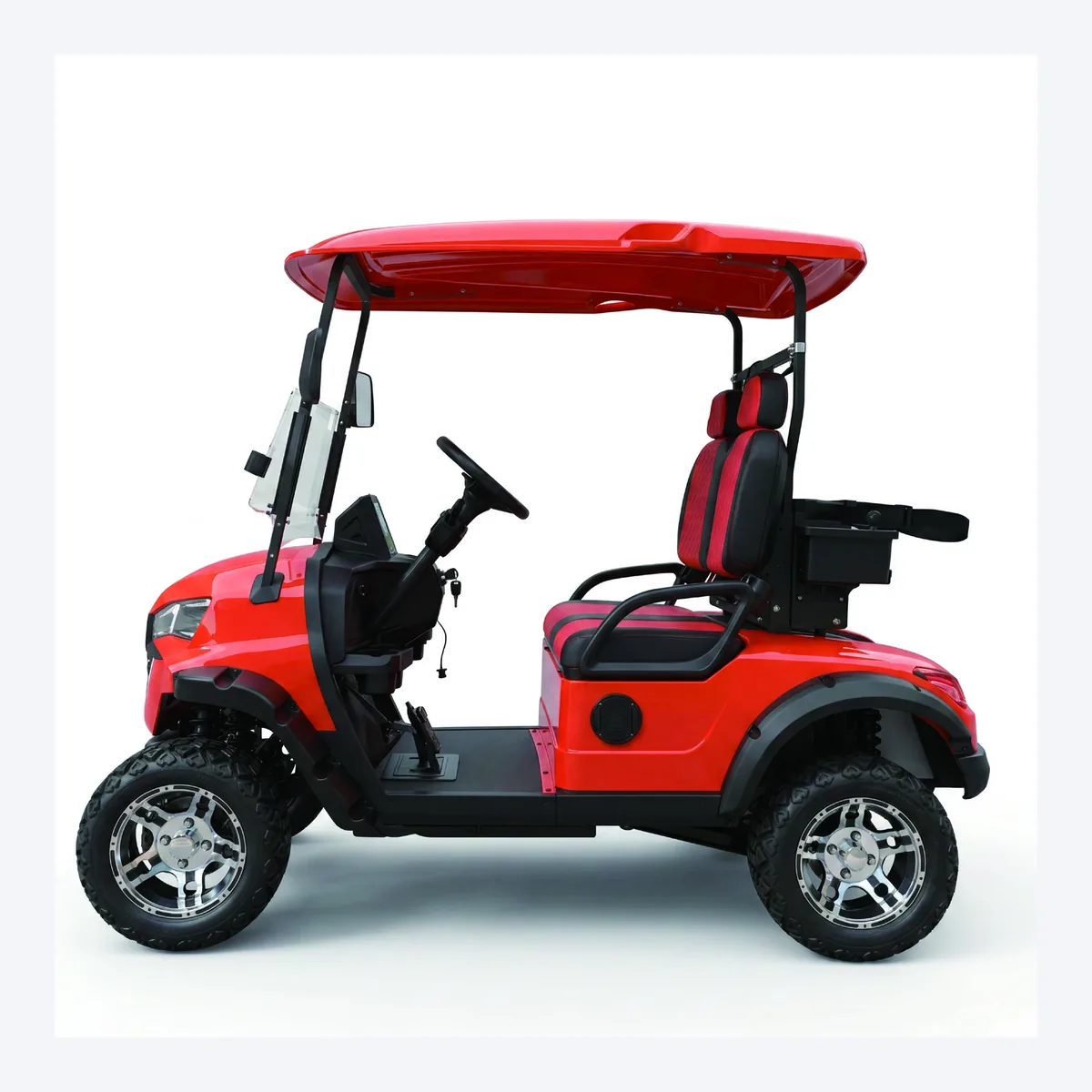
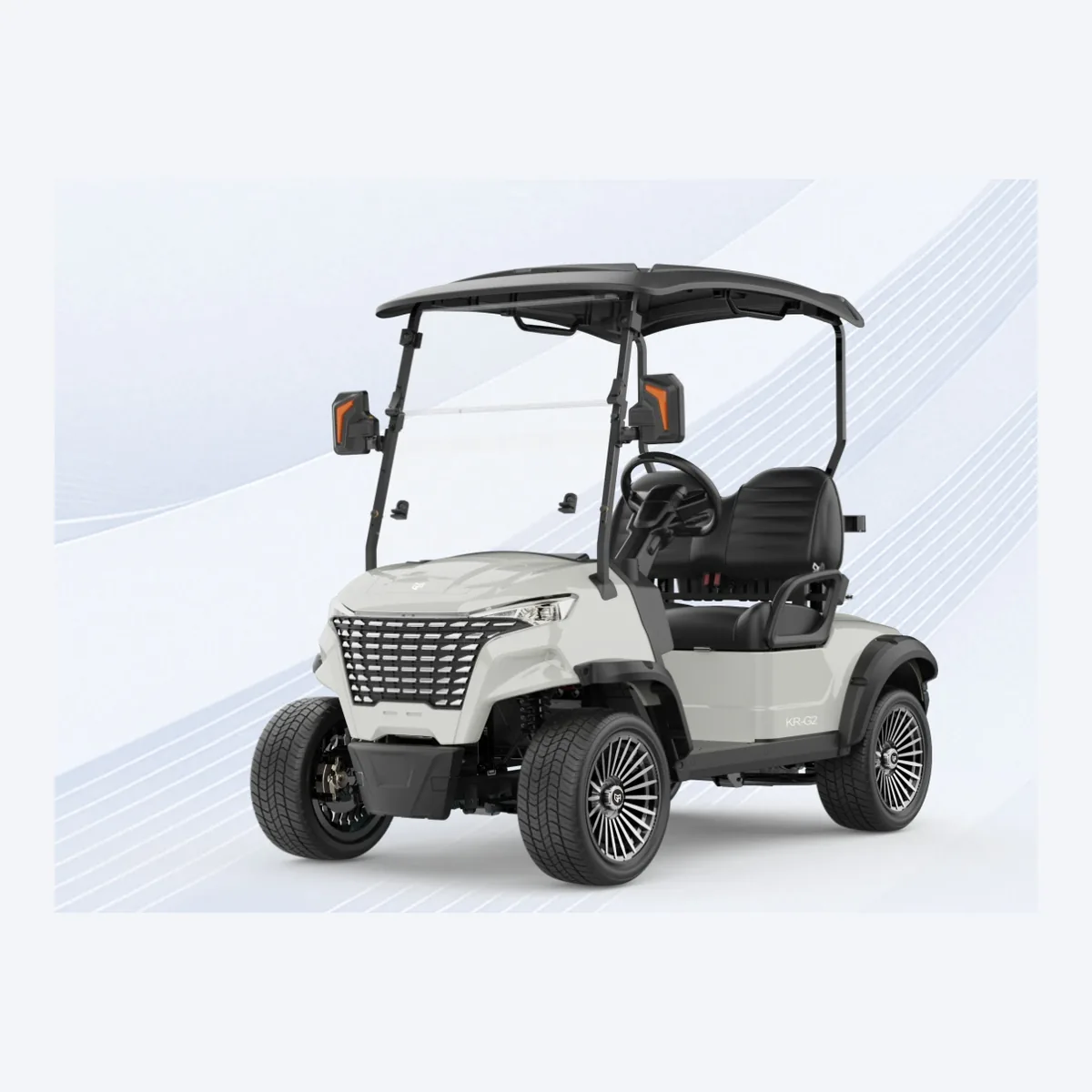
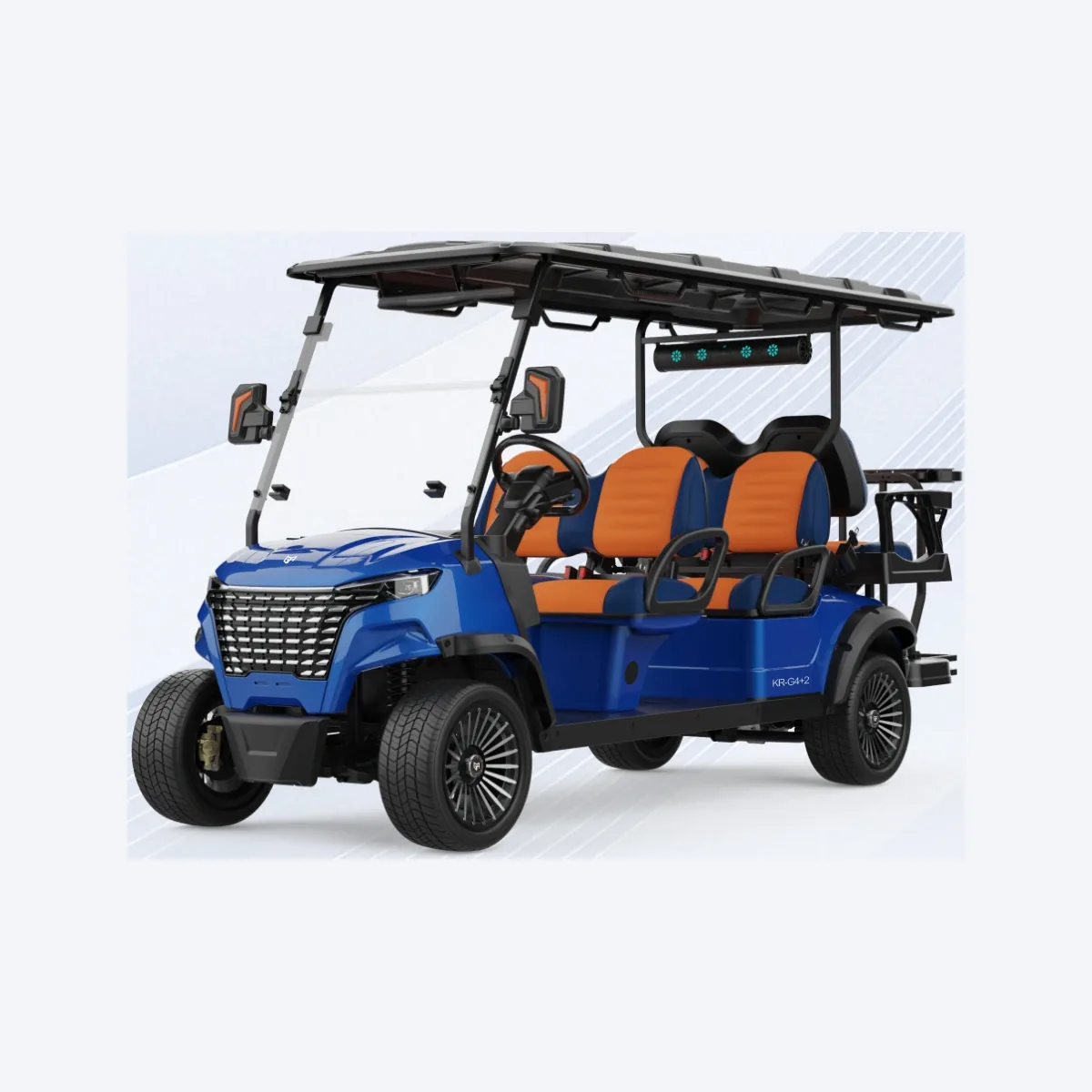
A golf cart is not a stock appliance with a barcode price. It is built against an order: seat layout, battery chemistry, motor rating, body colour, lighting, storage and the electrical requirements of the destination market. Change one of those and the bill of materials changes with it. That is why a serious supplier asks for the configuration before quoting, and why two quotations for what sounds like the same cart can sit far apart without either being dishonest.
The practical consequence for a buyer is simple: compare configurations, not headlines. A quotation that names the model and lists every included item can be compared line by line. One that gives a model and a number cannot.
Which components account for most of the cost?
Two blocks dominate: the battery pack and the drivetrain. The pack is the most expensive replaceable assembly on the vehicle, and its chemistry, voltage and capacity set a large part of the unit price. The motor and controller come next; a higher power rating or a sealed IP67 drive changes both the component cost and the hardware around it.
The body and chassis form a third block that is relatively stable across a model family. The steel frame, panels, paint process, suspension and brakes do not vary much between two vehicles on the same platform, which is why a mixed fleet built on one platform is easier to price and to service. Seats, trim and lighting are smaller per-unit items, but they accumulate when a premium finish is specified across a fleet.
| Cost block | What it includes | Effect on the quotation |
|---|---|---|
| Battery and charger | Pack, management system, onboard charger | Largest single variable |
| Motor and controller | Power rating, sealing, supporting hardware | Moderate, quoted as a drivetrain |
| Body and chassis | Frame, panels, paint, suspension, brakes | Moderate and stable within a platform |
| Seats and trim | Bench count, cushion material, finish | Small per unit, cumulative across a fleet |
| Options | Lighting, storage, livery, weather protection | Cumulative and easy to under-specify |
| Packing and delivery | Export packing, Incoterm, documentation | Route-dependent |
How does the battery choice move the number?
Lead-acid has the lower purchase cost and a familiar service routine. LiFePO4 costs more up front, weighs less, charges faster and tolerates partial charging. On a model such as the GC-A, the same body accepts either chemistry, so the choice appears as a distinct line in the quotation rather than as a different vehicle.
The comparison should not stop at the pack. Lithium brings a battery management system, a charger matched to the pack and transport documentation for export. Lead-acid brings a heavier pack, a longer charging window and a replacement that falls sooner in the vehicle’s life. Both are legitimate choices; they put the cost in different places.
What do options add to the quotation?
Options are where quotations drift apart most often. Body colour and livery, storage boxes, bag racks, rain curtains, folding windshields, mirrors, upgraded lighting, audio and road-use equipment are priced separately, and each one adds weight, packing volume or documentation work.
Two questions keep this block under control. First, is the option factory-fitted or dealer-fitted? A factory fit is consistent and recorded in the build; a dealer fit may look cheaper on paper but depends on local labour and parts. Second, is the option needed on every unit or only on the guest-facing subset? Specifying premium trim on staff carts usually adds cost without adding value. Options also change the spare-parts list and the manual, which is why a heavily optioned fleet is quoted with its own document pack rather than a standard one.
How do quantity and delivery terms change the total?
Quantity spreads fixed costs. Order processing, packing design, documentation and production setup are carried once and divided across the units, so the same cart quoted in different volumes is not the same commercial offer. Volume also changes how vehicles are packed, which feeds back into freight.
The delivery term decides which costs appear in the unit price. An EXW quotation stops at the factory; FOB adds inland transport and export clearance; CIF adds main carriage and insurance to a named port; DAP or DDP carries the goods further into the destination. None is inherently cheaper. They allocate cost and risk differently, and an FOB figure compared with a DDP figure is a comparison of two different products. Ask for the freight calculation per unit and per container; the two numbers answer different questions.
What should a quotation state before you compare it?
A usable quotation is a configuration record. It should name the model, the battery chemistry and voltage, the motor rating, the charger, the seat layout and every included option. It should state the Incoterm and the named place, the currency, the validity period and the payment terms. Packing method and the documents supplied with the shipment belong on the same page.
Two fields deserve a written answer rather than an assumption: lead time and warranty. Both are confirmed on the order confirmation and in the sales contract, and both depend on configuration and destination. If a quotation is silent on them, ask before comparing totals. A lower number with undefined scope is not a saving; it is an unpriced risk carried by the buyer.
The questions that decide the order.
Why is there no published price for each model?
Because the price is a function of configuration and route. Seat layout, battery chemistry, motor rating, options, quantity and destination all change the bill of materials and the freight. A published figure would be accurate for one specification and one destination only, so quotations are issued against a defined configuration.
Is a higher unit price always the more expensive choice?
No. A higher purchase price may include a lithium pack that charges faster, a sealed drivetrain or equipment that would otherwise be bought locally. Compare the quotation against the duty cycle and the cost of charging, service and downtime over the period you plan to keep the fleet.
Does a larger motor add much to the price?
The motor is only part of the change. A different rating is quoted with its controller and any supporting hardware, so ask for the drivetrain as a line item rather than a motor upgrade alone. On the GC-A, the 4 kW, 5 kW and 7.5 kW options are quoted against the same body.
Can options be added after the order is placed?
Configuration is fixed at order confirmation. Options added after production starts may not be possible, and changes that affect the battery, motor or body are treated as a new configuration. Finalise the option list before the order is released.