Electric vs Gas Golf Cart — Which Fits Your Site?
Electric carts are quieter, produce no tailpipe emissions and need charging infrastructure. Gas carts refuel quickly and suit long remote routes but are louder, need engine maintenance and create exhaust exposure. For resorts, campuses and indoor or guest-facing sites, electric is usually the better fit.
Updated 2026-11-03 · Export Desk
- Quiet
- Electric drive
- 0
- Tailpipe emissions
- Charge
- Infrastructure needed
- Site
- Use-case driven
How do noise and emissions compare?
An electric cart is much quieter at low speed, which matters near tee boxes, guest rooms, restaurants and indoor areas. It produces no tailpipe emissions, so exhaust exposure is not a concern for passengers or staff.
A gas cart is louder and produces exhaust. In enclosed or semi-enclosed spaces, that requires ventilation and limits where the vehicle can operate. For guest-facing resorts, the noise difference is usually the decisive factor.
What about maintenance and refuelling?
An electric cart has fewer moving parts: no engine oil, spark plugs, fuel system or exhaust. Maintenance focuses on brakes, tyres, suspension, electrical connections and the battery. Charging happens at a fixed bay, usually overnight.
A gas cart refuels in minutes, which suits long remote routes without electricity. But it needs engine maintenance, fuel storage and handling, and more frequent service. Fuel cost and availability vary by site.
Which is better for a resort or campus?
For resorts, campuses, hotels and attractions, electric is usually the better fit: quiet, no exhaust, lower vibration and easier indoor or semi-indoor use. The site needs charging bays and a power plan, but the guest experience is better.
Gas may be considered for large remote properties with limited electricity and long daily routes. Even then, check noise, fuel storage and local emissions rules.
What should you compare in a quotation?
Compare the energy or fuel cost per year, charging or fuel infrastructure, maintenance schedule, battery or engine life, and the usable range under load. A lower purchase price can be offset by higher running costs.
For a mixed fleet, standardise the energy type where possible. Mixing electric and gas adds training, parts and safety procedures.
What should you do next?
Send the site brief for comparison: terrain, daily distance, passenger count, destination port and quantity. We will reply with a configuration sheet and quotation.
Request a quoteThe differences, in one table.
| Factor | Electric | Gas |
|---|---|---|
| Noise | Low | Higher |
| Emissions | No tailpipe | Exhaust |
| Refuelling | Fixed charging bay | Fuel station / storage |
| Maintenance | Brakes, tyres, battery | Engine, fuel, exhaust |
| Best for | Resorts, campuses, guest areas | Remote long routes |
Start with these models.
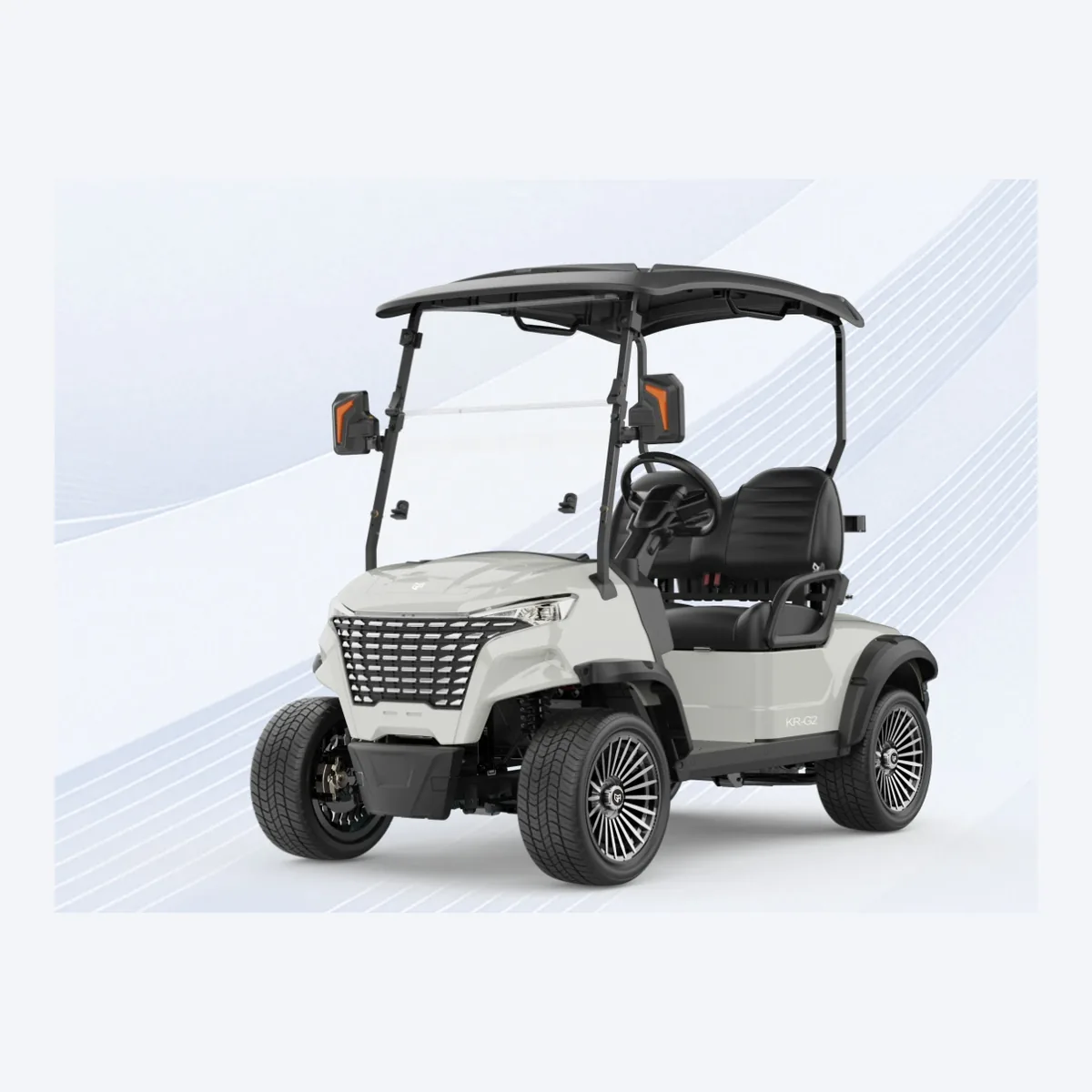
KR-G2 Ridge 2-Seat Lithium Golf Cart
Lithium two-seater with a 30–35 mile working range
- Range
- 30–35 mi
- Battery
- 51.2 V 105 Ah LiFePO4
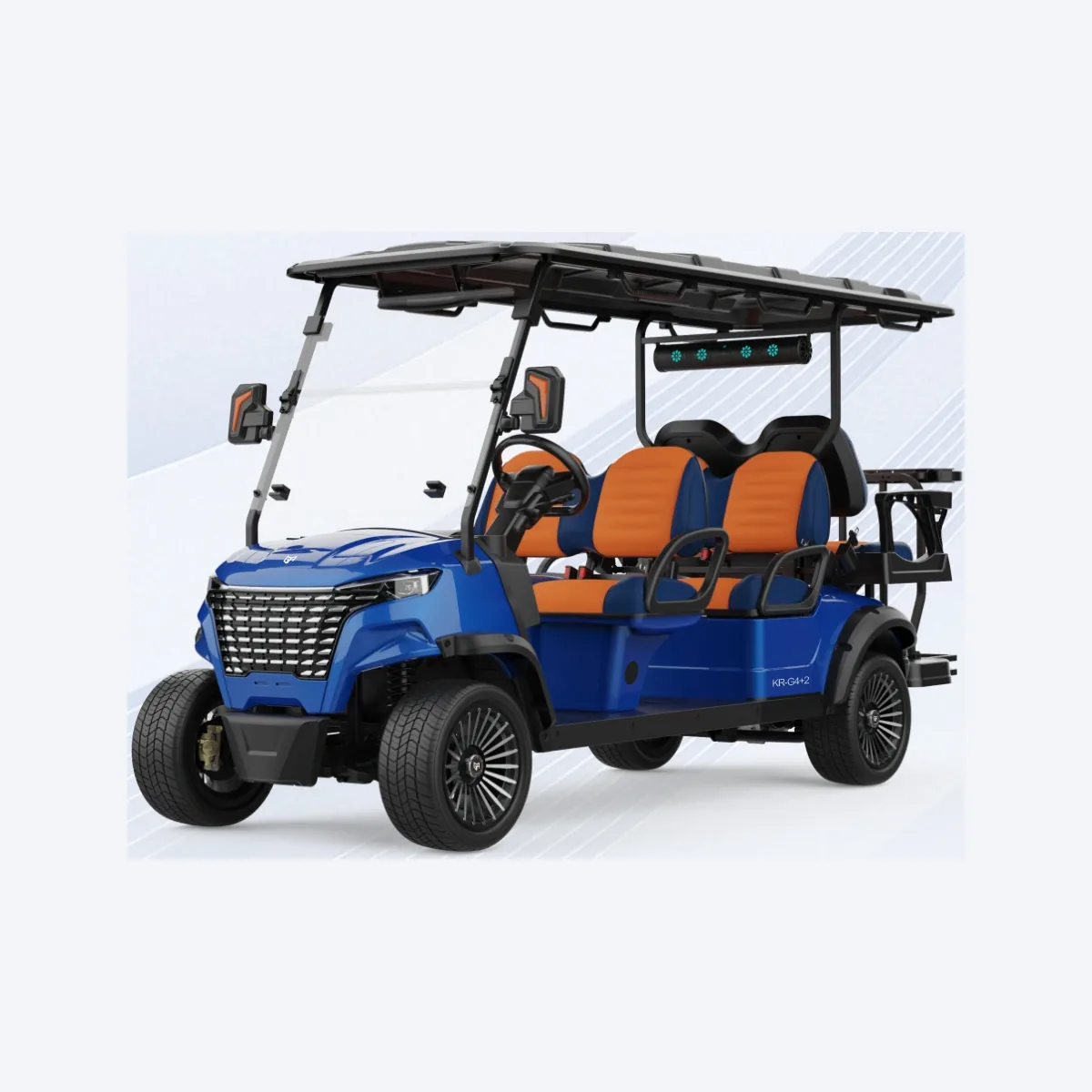
KR-G4+2 Ridge 6-Seat Lithium Golf Cart
Six seats on a 3.67 m lithium platform
- Range
- 30–35 mi
- Battery
- 51.2 V 105 Ah LiFePO4
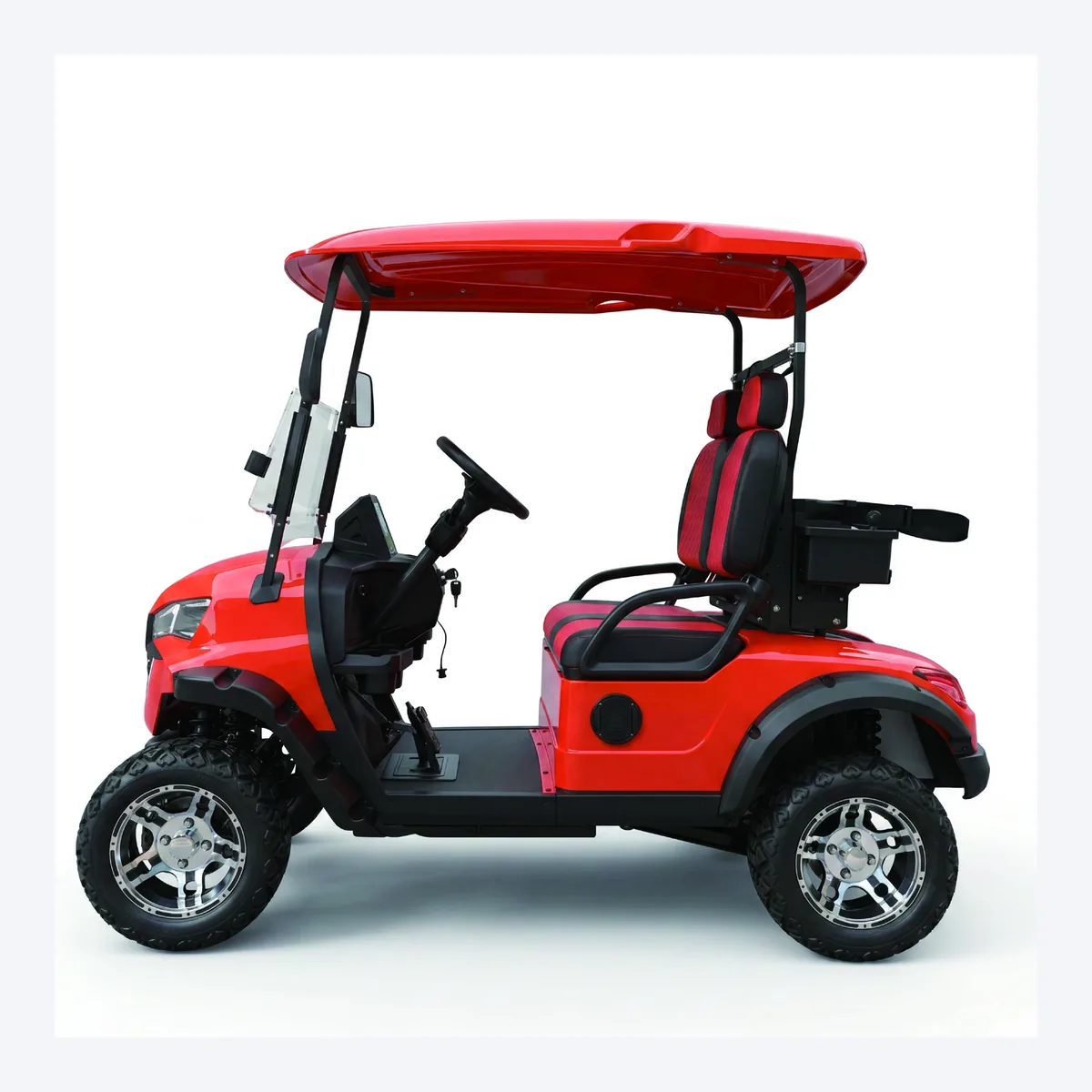
GC-A Classic 2-Seat Golf Cart
Long-range classic with lead-acid or lithium power
- Range
- 80–100 km
- Motor
- 4 / 5 / 7.5 kW
The questions that decide the order.
Is electric cheaper to run than gas?
It depends on local electricity and fuel prices, annual hours and maintenance. Electric usually has fewer moving parts and lower service cost, but the battery is a major replacement item. Compare total cost over the service life.
Can an electric cart climb hills?
Yes, with the right motor and controller. The catalogue models are rated for 20% gradeability; confirm the loaded weight and the steepest section of the route.
How long does charging take?
The lithium models charge in five hours or less with the onboard 48 V / 25 A charger. Lead-acid models typically take 6–10 hours depending on the pack and charger.
Are gas carts allowed indoors?
Generally no, or only with strict ventilation. Exhaust emissions are a health and safety issue in enclosed spaces. Electric is the usual choice for indoor or semi-indoor use.
Which has better resale value?
It depends on the market, battery condition and brand. Lithium packs and well-maintained electric fleets often hold value, but local demand matters. Ask for the battery age and service records.
Can I mix electric and gas in one fleet?
Yes, but it adds training, parts, fuel storage and charging planning. Standardise where possible; if both are needed, keep the roles separate.
Which is better for a golf course?
Electric is usually preferred for quiet operation, no exhaust and lower vibration near guests. Gas may suit remote courses with limited electricity, but check noise and fuel handling.
Tell us the terrain, the seats and the port.
A useful quotation needs three things: where the golf cart will run, how many people it carries, and where it ships. Send those and we will come back with a configuration sheet.
Request a quote
Tell us the model, seating and destination. We will reply with a configuration sheet and quotation.