Golf Cart vs LSV — What Is the Difference?
A golf cart is generally a private-property vehicle with a lower speed limit and fewer equipment requirements. An LSV is a road-vehicle category with defined speed, lighting, seat belts, mirrors, a VIN and registration. The terms are not interchangeable, and the local authority decides which category applies.
Updated 2026-11-03 · Export Desk
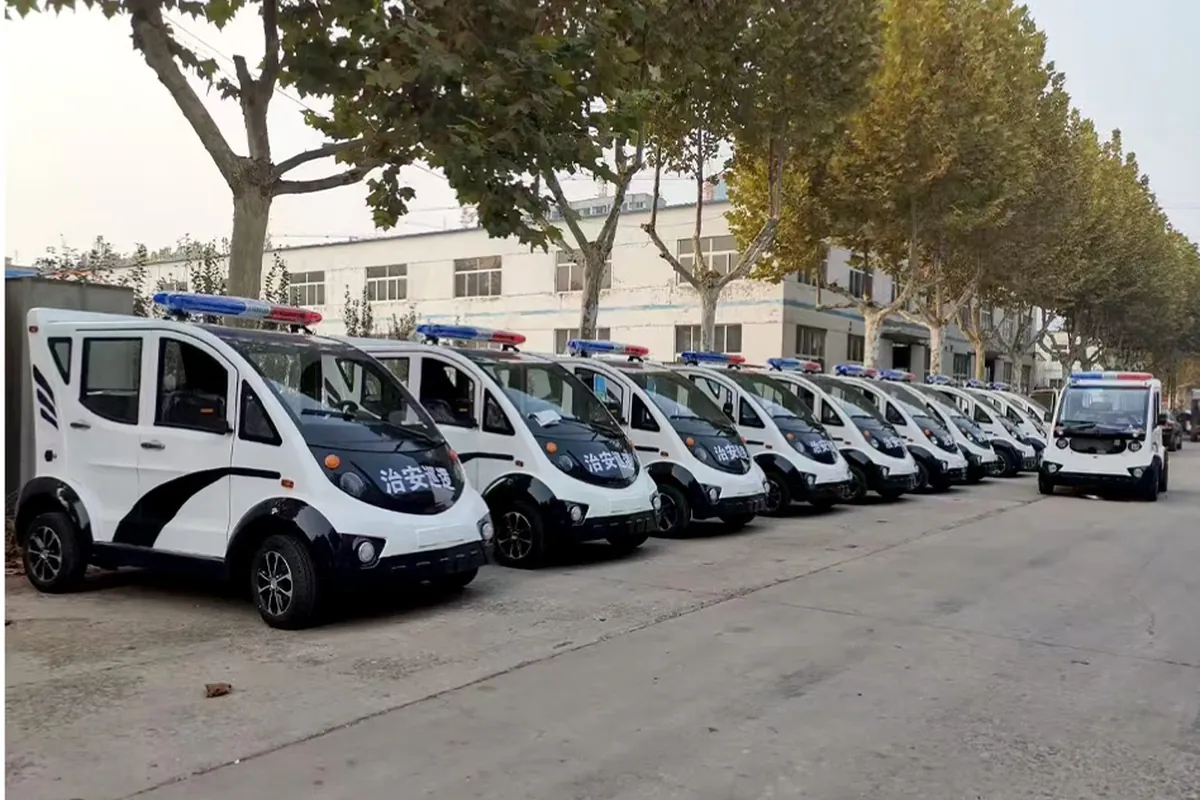
- Private
- Golf cart use
- Road
- LSV category
- VIN
- LSV identification
- Local
- Rules
What is a golf cart?
A golf cart is a small low-speed vehicle designed for private sites: golf courses, resorts, campuses and estates. It typically has a lower speed limit and fewer road-equipment requirements than an LSV.
Private-property use does not usually require registration, but the property owner’s rules and insurance still apply.
What is an LSV?
A low-speed vehicle is a road-vehicle category used in some markets. It has a defined speed range and requires equipment such as lights, turn signals, mirrors, seat belts, a windshield, a parking brake and a VIN. Registration, insurance and a driver’s licence may apply.
The exact requirements are set by the destination authority. An LSV in one state or country may not meet the rules in another.
Which one should you buy?
If the vehicle stays on private property, a standard golf cart is usually simpler and less expensive. If it must use public roads, confirm the LSV category, equipment, registration and insurance before ordering.
Do not buy a standard cart and assume it can be registered later. The body, lighting, VIN and documents may not meet the LSV requirements.
What should you ask a supplier?
Ask for the vehicle category, the equipment list, the VIN, the approval or conformity documents available for the model, and the registration process for your market. A verbal “street legal” claim is not enough.
We state only the certifications issued for the specific product. If the documents are not available, we say so before the order.
What should you do next?
Send the site brief for comparison: terrain, daily distance, passenger count, destination port and quantity. We will reply with a configuration sheet and quotation.
Request a quoteThe differences, in one table.
| Feature | Golf cart | LSV |
|---|---|---|
| Typical use | Private property | Public roads |
| Speed | Lower site speed | Defined road range |
| Equipment | Basic site equipment | Lights, belts, mirrors, VIN |
| Registration | Usually not required | Usually required |
| Licence / insurance | Property rules | Local road rules |
Start with these models.
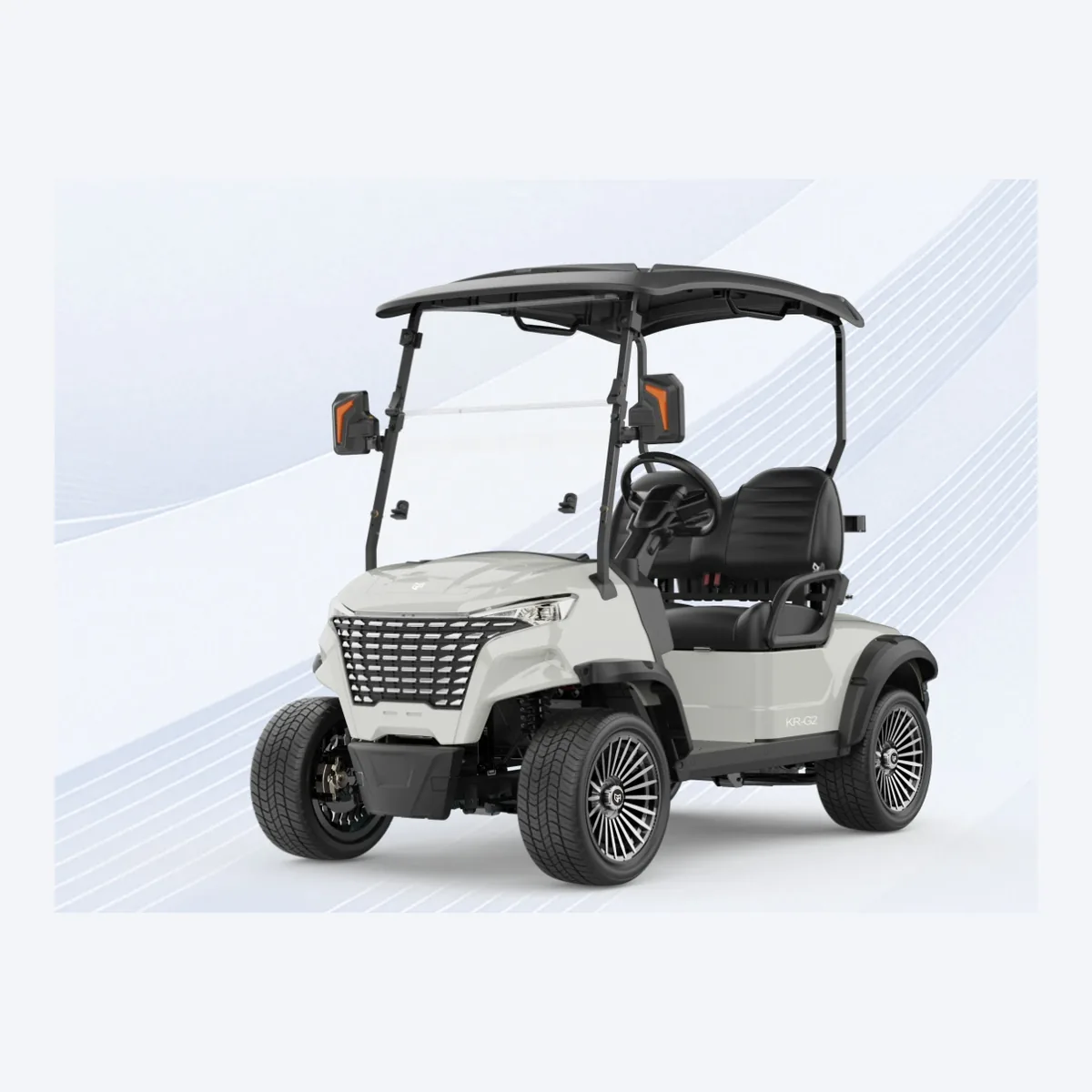
KR-G2 Ridge 2-Seat Lithium Golf Cart
Lithium two-seater with a 30–35 mile working range
- Range
- 30–35 mi
- Battery
- 51.2 V 105 Ah LiFePO4
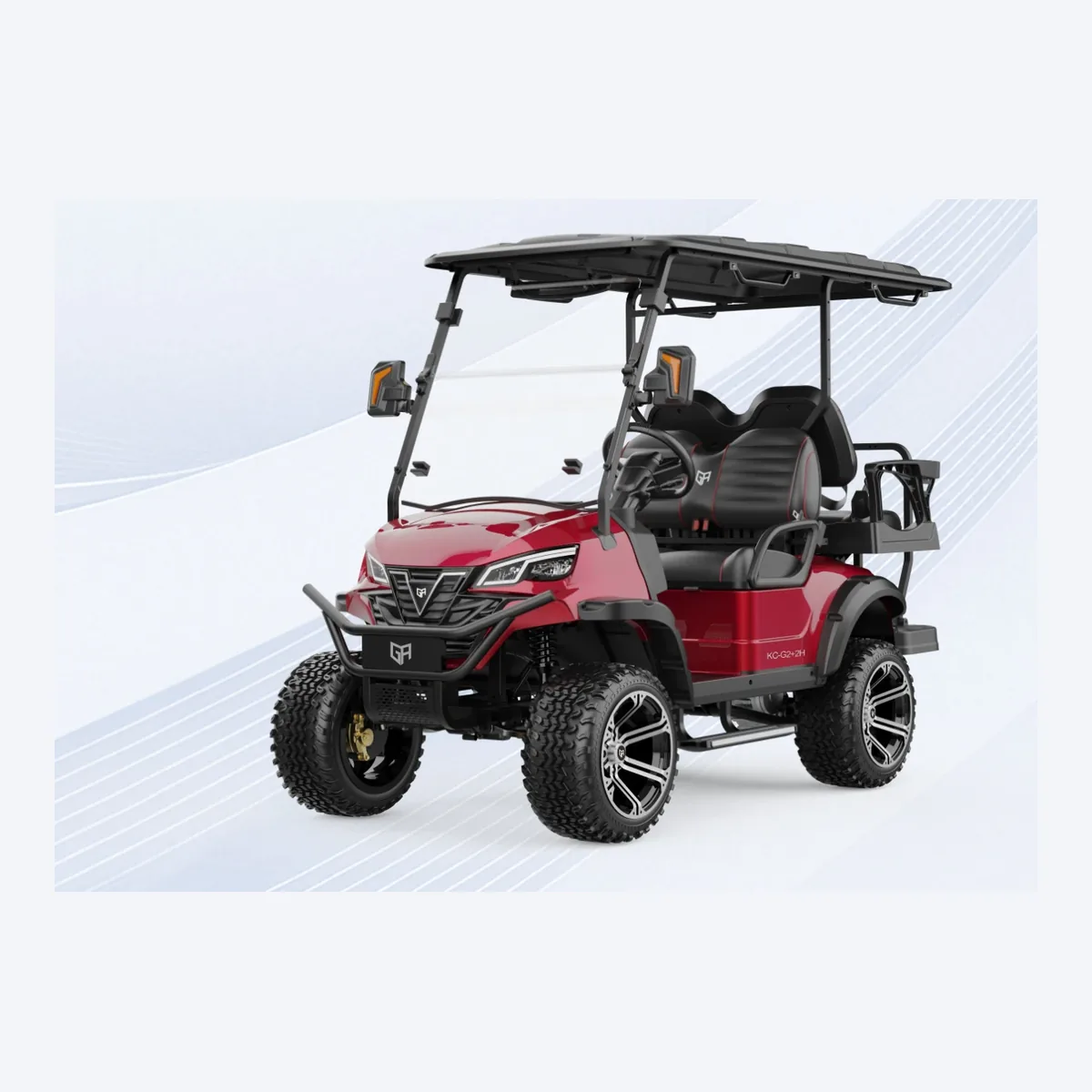
KC-G2+2H Coast 4-Seat Lithium Golf Cart
Compact four-seater with 190 mm clearance
- Range
- 30–35 mi
- Clearance
- 190 mm
The questions that decide the order.
Can a golf cart be converted to an LSV?
It depends on the base vehicle, the equipment package and the local approval process. A conversion may not be accepted if the VIN, lighting or structural requirements are not met. Confirm before buying.
Is an LSV street legal everywhere?
No. LSV rules are set by the destination authority. A vehicle approved in one market may not be approved in another.
Do I need a licence for a golf cart?
On private property, usually the property rules apply. On public roads, an LSV or similar category may require a licence and insurance. Confirm locally.
What equipment does an LSV need?
Typical requirements include lights, turn signals, mirrors, seat belts, a windshield, a parking brake and a VIN. The exact list is local.
Can you supply LSV documents?
We provide the technical documents available for the specific model. We do not claim LSV approval unless it has been issued.
Is a golf cart cheaper than an LSV?
Usually yes, because an LSV needs more equipment and approval work. But the total cost depends on the market and the registration process.
Who decides the category?
The destination authority. The supplier can provide documents, but the classification and approval are local decisions.
Tell us the terrain, the seats and the port.
A useful quotation needs three things: where the golf cart will run, how many people it carries, and where it ships. Send those and we will come back with a configuration sheet.
Request a quote
Tell us the model, seating and destination. We will reply with a configuration sheet and quotation.